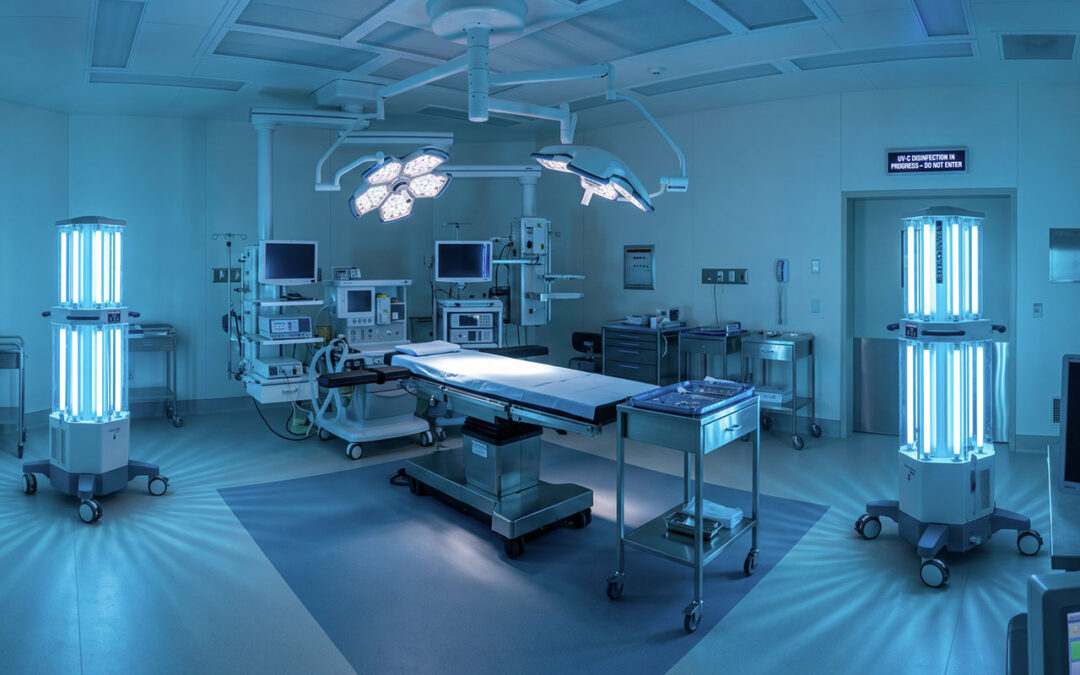
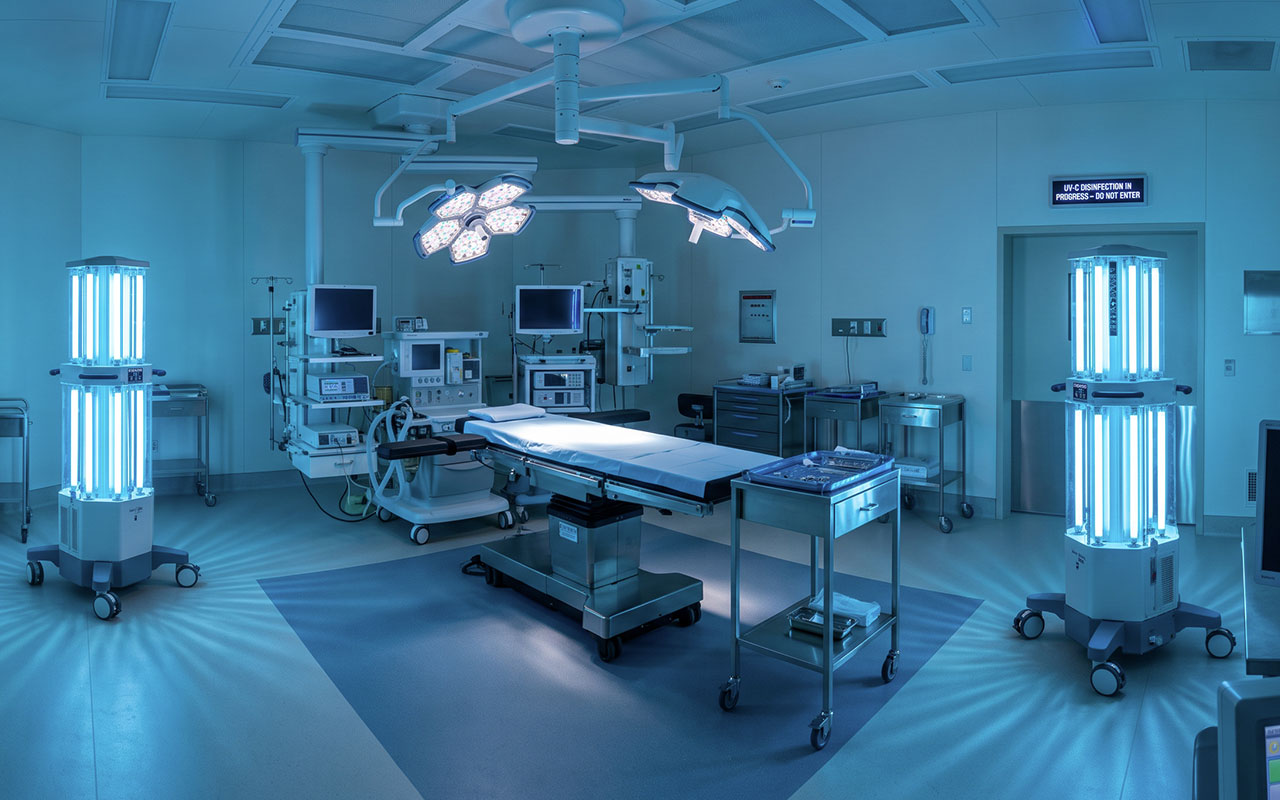
Ultraviolet-C disinfection technology is becoming a more established component of infection prevention programs as hospitals seek additional ways to reduce environmental contamination without increasing their use of chemicals. Once viewed primarily as an emerging or supplemental technology, UV-C devices are now available in several forms, including mobile whole-room systems, stationary units, air-treatment fixtures and enclosed cabinets for disinfecting smaller equipment.
Mordor Intelligence valued the global healthcare UV disinfection equipment market at approximately $1.31 billion in 2026 and projected it will reach $2.31 billion by 2031. The market research firm forecast a compound annual growth rate of about 12% during that period, driven by infection prevention priorities, labor constraints and demand for automated disinfection technologies.

Hospitals are among the most important customers for UV-C systems because operating rooms, procedural areas, patient rooms and other high-touch environments require consistent cleaning processes. UV-C energy damages the genetic material of bacteria, viruses and fungi, preventing the microorganisms from reproducing. The Centers for Disease Control and Prevention describes germicidal ultraviolet technology as one element of a layered infection prevention strategy rather than a replacement for established cleaning, ventilation or filtration practices.
That distinction is particularly important in perioperative environments. UV-C devices may help supplement manual terminal cleaning, but the light must reach a surface at the appropriate intensity and for a sufficient amount of time. Shadows, equipment placement, organic material and room configuration can limit effectiveness. As a result, hospitals must evaluate how a system performs in realistic clinical conditions rather than relying solely on laboratory claims.
Market competition includes established infection prevention companies, lighting manufacturers and specialized UV-C technology providers. Mordor Intelligence identified Signify, Xenex Disinfection Services, UltraViolet Devices, Tru-D SmartUVC and Steris among the major companies operating in the sector. Manufacturers are increasingly differentiating systems through automated room mapping, remote monitoring, cycle documentation, motion sensors and data reporting capabilities.
These features can be valuable for operating room leaders who must verify that disinfection cycles were completed and incorporated into workflow. Automated documentation may also allow infection prevention and environmental services teams to analyze device utilization, identify missed rooms and demonstrate compliance with internal protocols.
Certain UV-C systems may fall under U.S. Food and Drug Administration oversight when they are marketed as medical devices for microbial reduction in health care environments. The evolving regulatory environment is likely to favor manufacturers that can provide credible safety testing, validated performance data and clearly defined clinical claims.
Safety remains a key concern because direct exposure to conventional UV-C radiation may injure the skin and eyes. The FDA has warned that some handheld UV wands can expose users and nearby individuals to unsafe radiation levels within seconds. Hospital-grade systems commonly incorporate occupancy sensors, door interlocks, remote activation or automatic shutoff mechanisms designed to prevent exposure while a room is being treated.
For perioperative leaders evaluating the technology, purchase price is only one part of the investment. Facilities should also consider room cycle time, lamp replacement, preventive maintenance, staff training, validation requirements, compatibility with sensitive materials and the ability to integrate the device into surgical schedules.
The market’s next stage will likely focus less on whether UV-C can reduce microorganisms and more on how reliably systems can perform in actual health care workflows. As hospitals demand stronger evidence and better operational data, manufacturers will face growing pressure to demonstrate that their devices deliver measurable value, maintain appropriate safety controls and complement – rather than complicate – existing infection prevention practices.