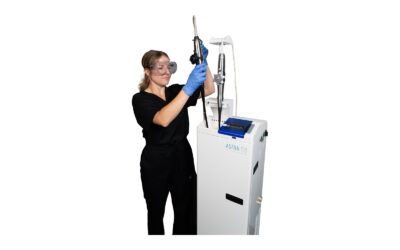
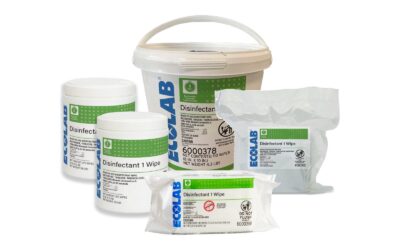
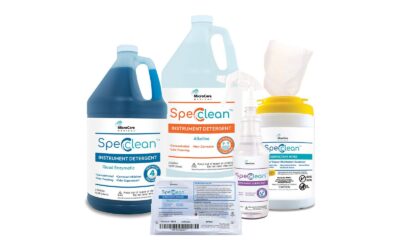
As healthcare facilities face growing surgical demands, increasingly complex medical instruments and heightened expectations for infection prevention, the market for medical washers and disinfectants continues to evolve. Hospitals, ambulatory surgery centers (ASCs) and sterile processing departments (SPDs) are seeking solutions that improve cleaning efficiency, support regulatory compliance and protect patients while managing operational costs.
Medical washers and disinfectants play essential roles in reprocessing reusable surgical instruments, endoscopes and other medical devices. Automated washer-disinfectors remove soil and reduce microbial contamination through validated cleaning and disinfection cycles, while specialized detergents and disinfectants help prepare devices for subsequent processing or patient use.

For perioperative leaders, the effectiveness of these products directly influences surgical readiness, instrument availability and patient safety.
Market Growth Driven by Infection Prevention
Demand for medical washers and disinfectants is supported by investments in infection prevention, surgical services and reusable medical device reprocessing. Healthcare facilities are also seeking ways to standardize cleaning procedures and reduce variability between manual and automated processes.
The growing use of minimally invasive and robotic-assisted surgical procedures adds complexity to instrument reprocessing. Devices with narrow lumens, intricate components and difficult-to-access surfaces may require specialized cleaning methods, compatible detergents and validated processing instructions.
The expansion of outpatient surgical services presents another opportunity for manufacturers. ASCs must balance instrument turnaround times with limited processing space, staffing resources and equipment budgets. Compact washer-disinfectors, streamlined workflows and products designed for smaller facilities can help address these challenges.
Automation and Technology Shape Purchasing Decisions
Automation remains a focus of washer-disinfector innovation. Modern systems may incorporate programmable cycles, automated chemical dosing, digital monitoring and electronic documentation to help sterile processing teams maintain consistent cleaning practices.
Connectivity and data management capabilities are also important considerations. Equipment that records cycle parameters, identifies processing errors and supports traceability can help facilities document compliance and investigate potential reprocessing failures.
However, automated systems do not eliminate the need for trained personnel. Proper instrument preparation, loading configurations, routine equipment maintenance and adherence to manufacturers’ instructions for use (IFU) remain essential.
Healthcare facilities must also evaluate whether new cleaning technologies are compatible with their existing instrument inventories. Equipment that cannot accommodate certain instruments or validated cleaning requirements may create additional workflow challenges.
Market Outlook and Investment Priorities
According to Grand View Research, the global medical washer-disinfector market was valued at $1.71 billion in 2024 and is projected to reach $2.45 billion by 2030, representing a compound annual growth rate of 6.1% from 2025 to 2030.
The research firm also projects that the U.S. market will grow from $428.2 million in 2024 to $596.9 million by 2030. Grand View Research identifies benchtop washer-disinfectors as the fastest-growing equipment segment in the U.S. market during the forecast period.
Chemical compatibility, environmental considerations and operating costs are additional factors influencing purchasing decisions. Healthcare organizations must consider water consumption, energy requirements, chemical usage, service agreements and equipment longevity when evaluating investments.
The Centers for Disease Control and Prevention (CDC) recommends thoroughly cleaning medical instruments before high-level disinfection or sterilization. According to the agency, residual organic and inorganic material can interfere with these processes, underscoring the importance of appropriate cleaning products and validated reprocessing procedures.
Looking Ahead
The medical washers and disinfectants market is positioned for continued growth as healthcare organizations seek more efficient, reliable and standardized reprocessing solutions.
For perioperative nurses, sterile processing professionals and healthcare administrators, purchasing decisions require collaboration across departments. The goal extends beyond faster instrument turnaround to ensuring reusable medical devices are consistently cleaned, disinfected and prepared for safe patient care.
As surgical technology advances, manufacturers that combine effective cleaning performance with automation, compatibility and operational efficiency will be positioned to meet the evolving needs of healthcare facilities.