By Miguel J. Ortiz
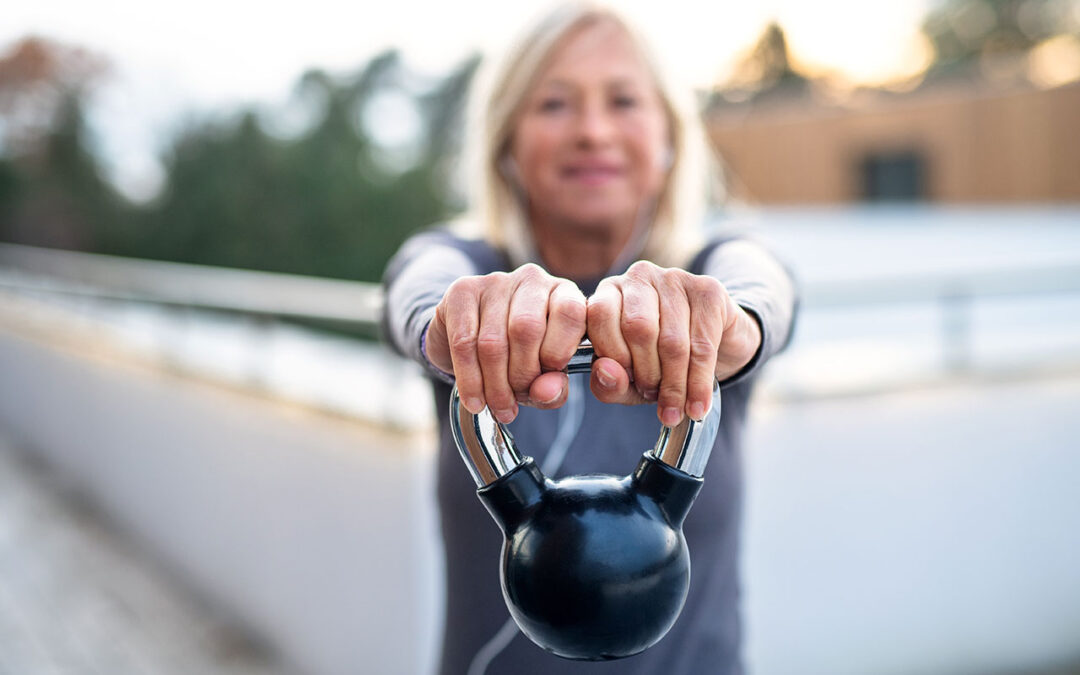
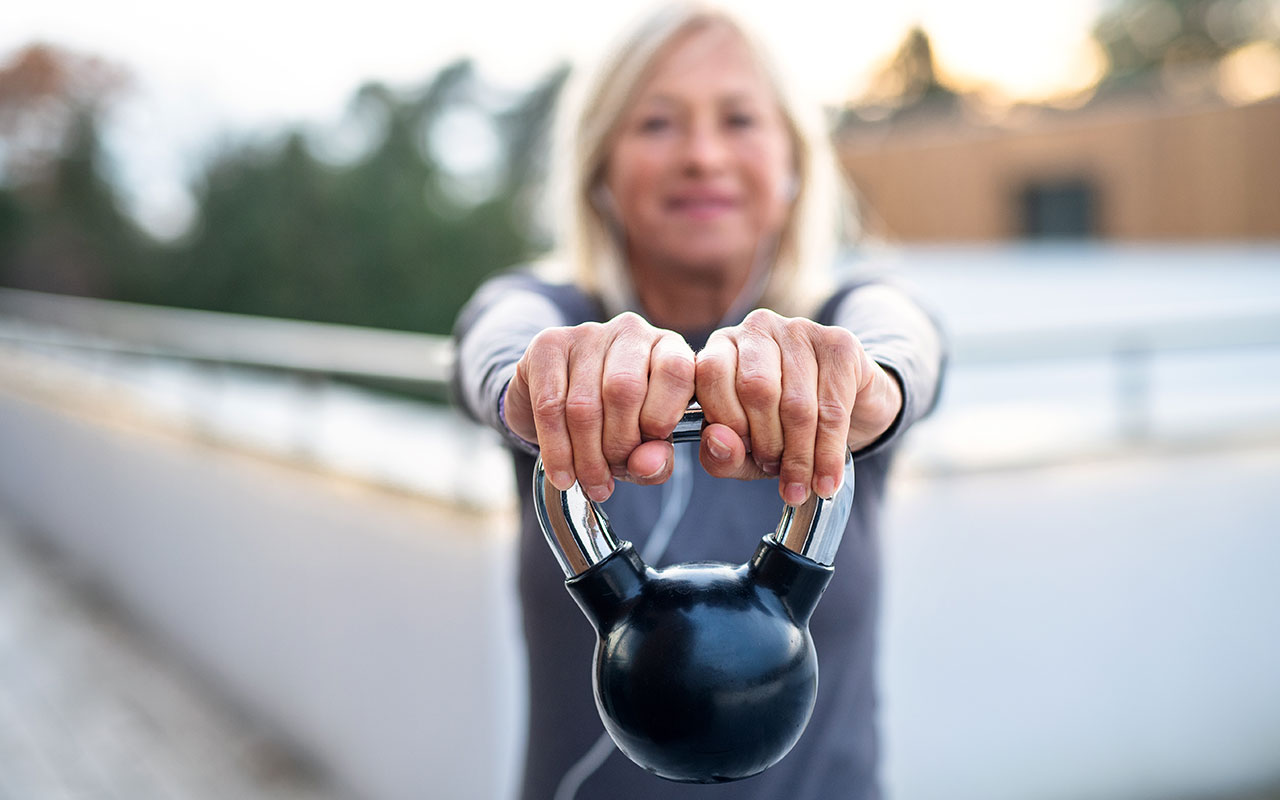
The kettlebell remains one of the most underused pieces of fitness equipment in the gym, largely because many people aren’t sure how to use it correctly. But this versatile training tool can improve strength, joint stability, coordination and overall athletic performance – all while delivering an efficient full-body workout.

Unlike traditional dumbbells, kettlebells feature a unique handle design that allows for multiple grip positions and dynamic movement patterns. That versatility makes them an excellent addition to any home gym or fitness routine.
If you’re new to kettlebell training, there’s no need to buy a full set of weights. Start with one kettlebell in the 10- to 20-pound range, depending on your comfort level and fitness experience. As you become more confident with the movements, you can gradually increase the weight.
Kettlebell exercises challenge multiple muscle groups at once because of the way the weight is distributed and controlled during movement. The result is improved strength, balance and muscular endurance. Here are three of my favorite kettlebell exercises that I include regularly in my own workouts.
• Kettlebell Swing: The kettlebell swing is a classic movement that builds hip strength, core stability and coordination. While many people associate kettlebells only with swings, this foundational exercise actually serves as the starting point for more advanced kettlebell movements.
The swing requires you to control the kettlebell throughout the entire motion, increasing focus and activating muscles throughout the body. Power comes from the hips, not the arms, making this exercise especially effective for developing explosive strength and endurance.
When using a lighter kettlebell, aim for 15 to 20 repetitions. For heavier weights focused on power development, reduce the range to six to eight repetitions.
• Kettlebell Windmill: The kettlebell windmill is a more advanced exercise that emphasizes balance, flexibility and shoulder stability. Before adding weight, practice the movement without a kettlebell to become comfortable with the positioning and range of motion.
One of the biggest differences between kettlebells and dumbbells becomes obvious during this exercise. Because of the kettlebell’s off-center weight distribution, your body must work harder to stabilize the shoulder and hips throughout the movement.
Perform the windmill slowly and with control, hinging carefully at the hips while keeping the core engaged to protect the lower back. With lighter weight, aim for 12 to 15 repetitions per side. For a heavier challenge focused on strength and stabilization, perform four to eight repetitions per side.
• Kettlebell Snatch: The kettlebell snatch combines strength, coordination, stability and power into one dynamic movement. Before attempting the snatch, it’s important to first master the kettlebell swing.
The movement begins with an explosive hip drive that propels the kettlebell upward. As the kettlebell reaches the top of the motion, you must guide and “catch” it so it lands softly on the opposite side of the wrist rather than slamming against the forearm. That smooth transition requires both strength and coordination.
At the top of the movement, keep the kettlebell controlled overhead before bringing it back down close to the body to reload the hips for the next repetition.
Add Kettlebells to Your Workout Routine
Kettlebell training can be an effective way to improve strength, mobility and conditioning in a relatively short amount of time. If you’re looking for a quick workout, try performing these three exercises as a circuit: four rounds of 10 repetitions for each movement.
Stay active, challenge yourself and grab a kettlebell to get to work.
– Miguel J. Ortiz is a personal trainer in Atlanta, Georgia.