By Don Sadler
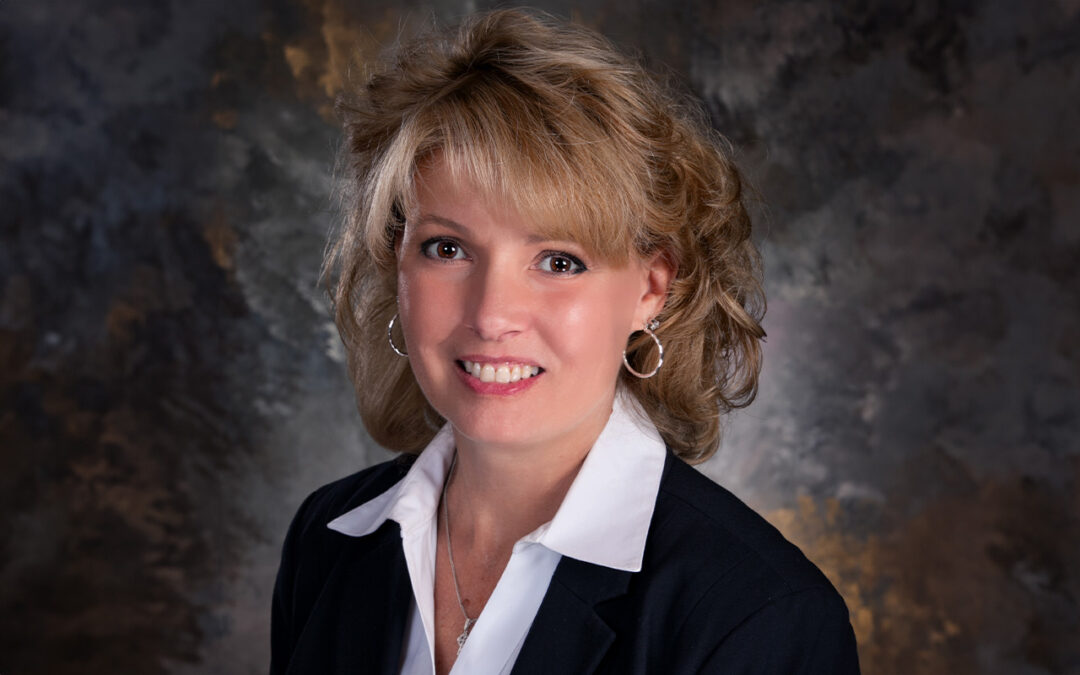
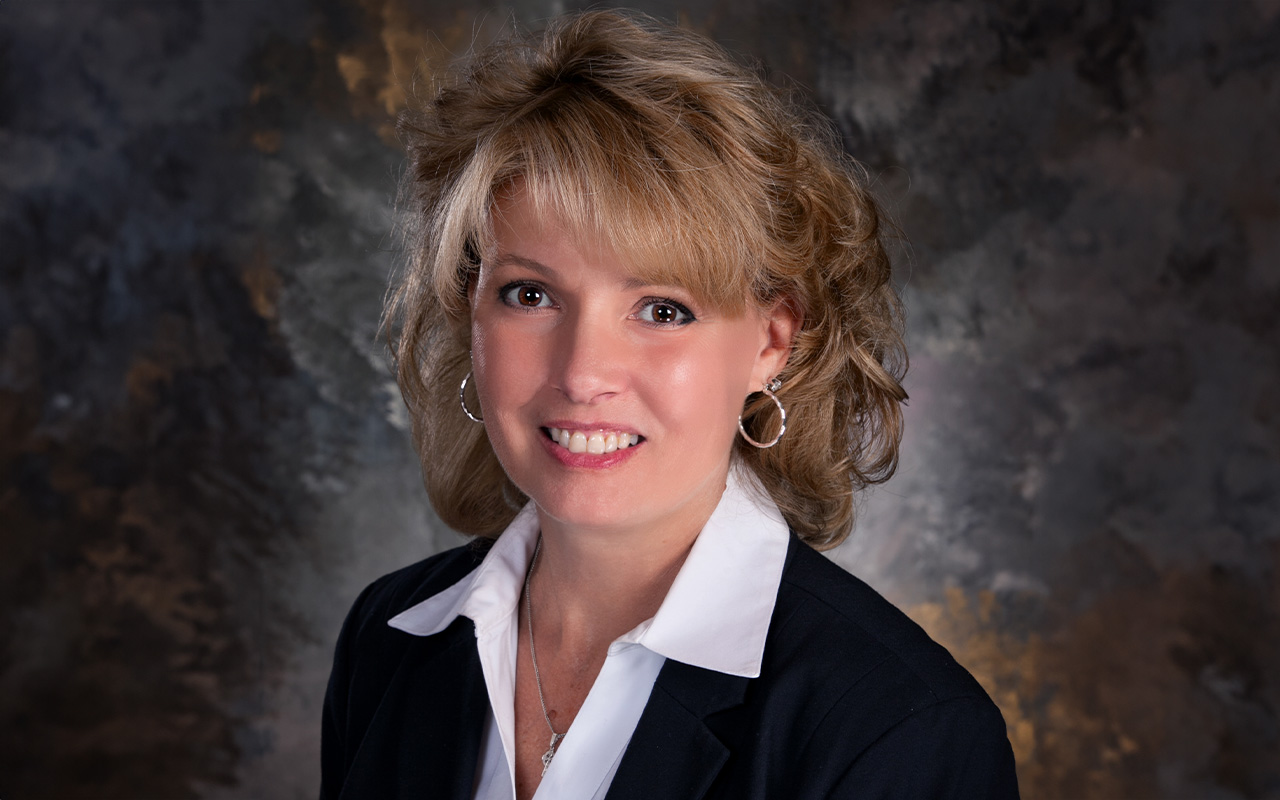
When Colleen Becker was offered the opportunity to work as the Director of Perioperative Education for the Association of periOperative Registered Nurses (AORN) in 2021, this fulfilled a passion for surgical education that had grown throughout her four-decade nursing career.
“I’ve always believed that people took the time to teach me how to take excellent care of patients early in my career, so I believe it’s my responsibility to provide that kind of education to new colleagues in the profession,” says Colleen. “It’s very gratifying when you teach people something and you can see them grasp the concept and be able to implement it in practice.”
During her last year of nursing school, Colleen selected the operating room as an elective. “This is where I first developed a love for taking care of patients and their families during the surgical process,” she says. “One of my instructors infused a love for the operating room in me and I’ve had it ever since.”

After graduation, Colleen went to work in critical care “because you couldn’t go directly into the operating room back then,” she says. From here, she moved into hospital leadership and management roles, eventually becoming the director of perioperative services for a large academic medical center.
“I was responsible for 80 operating rooms, two ambulatory centers, 150 PACU bays and five sterile processing departments,” Colleen says.
In her current role as the senior director of perioperative education, Colleen oversees development, design and dissemination of all AORN educational content. This includes perioperative staff education, clinical tools and resources, and career and leadership development guidance, all based on the evidence-based “Guidelines for Perioperative Practice.”
“We provide education in many different formats, including online, on demand, in written form and face to face,” says Colleen. “We also host webinars and the annual AORN Global Surgical Conference & Expo.” This year’s conference will be held April 11-14 in New Orleans. (See Page 34)
The most gratifying part of her job, says Colleen, is helping touch so many lives by educating AORN members about evidence-based practice and research surrounding perioperative nursing. Meanwhile, the most challenging part is not being able to communicate directly with all AORN members to find out what they want and need. “Our members are national and international so it’s hard to stay in communication with all of them,” she says.
Throughout her career, Colleen says she’s been fortunate to witness a lot of new technology and innovation in the OR. “When I was in nursing school, and I’m dating myself, a gallbladder surgery required a large incision on the right side of your body,” she says. “Now this surgery is done minimally invasive. Innovations and technology improve patients’ quality of life and allow them to spend more time with their loved ones.”
In addition to AORN, Colleen has been actively involved in a number of other professional nursing organizations throughout her career. These include the American Association of Critical Care Nurses; the Emergency Nurses Association; the Association of Women’s Health, Obstetric and Neonatal Nurses; and the American Society of Perianesthesia Nurses (ASPEN).
“I believe that involvement in these kinds of organizations is critical to professional development,” Colleen says. “In addition, we integrate with other types of nurses to take better care of surgical patients.”
Looking ahead, Colleen expects technology to continue playing a major role in patient care delivery. “Robotics, virtual reality, artificial intelligence … they’re already here now, but they will continue to improve the way we care for patients,” she says. “The OR nurse’s voice needs to be heard to ensure that technology is implemented for the betterment of patient care.”
Colleen believes that new technology will also present new career opportunities for nurses, such as informatics. This emerging field of nursing integrates nursing science, computer science and information science to better manage and communicate patient data and enhance the clinical experience.
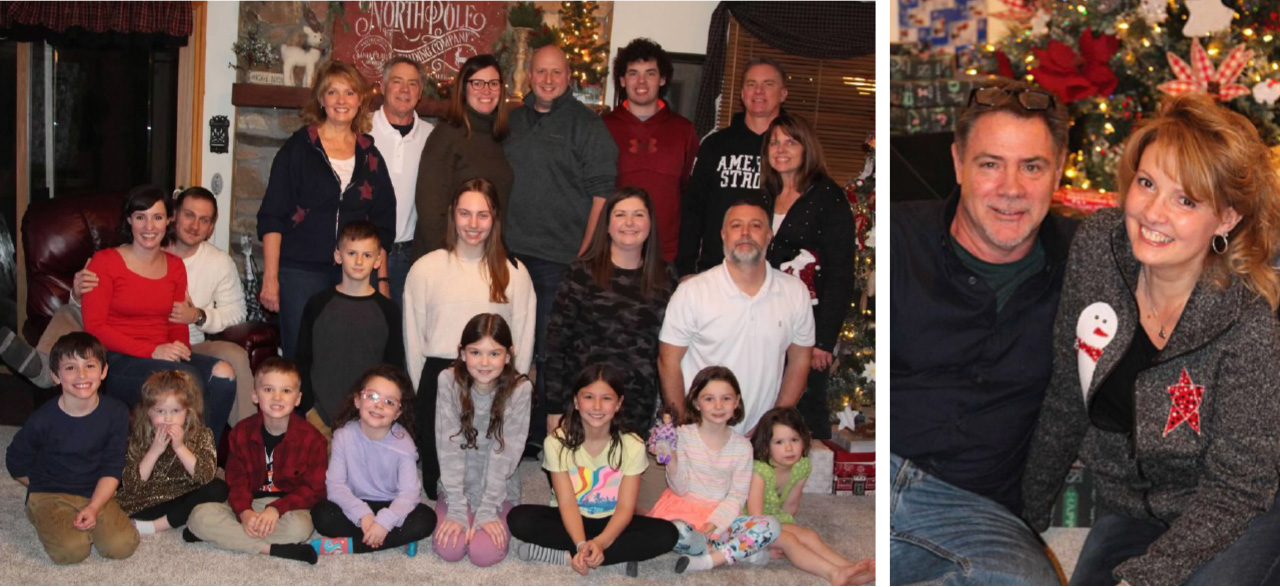
Colleen and her husband, Scott, own two Australian sheep dogs “who still think they’re puppies,” she says, “so they keep us busy. We just enjoy being outside, whether it’s gardening, hiking or bike riding.” They recently returned from a snowmobiling trip to Vail, Colorado.
Healthcare runs in the Becker family. Colleen’s oldest daughter, Brit, is an OR assistant nurse manager and her youngest daughter, Jenn, is an emergency medicine physician. In addition, her husband is a perfusionist, her sister-in-law is a doctor and her brother is a pharmacist.
“We could pretty much open a hospital,” she says.
Professional Spotlight Nomination