By Grace O
Growing up in the Philippines, I came into contact with what the rest of the world considers exotic fruits. To me cherimoya, jackfruit, mangosteen and rambutan were perfectly common. When I moved to America and met people from all over the globe, I realized that these nutritional powerhouses were not so well-known worldwide. So, here is my primer on exotic fruits from Southeast Asia, Africa and South America with wonderful nutritional properties and delicious flavors. Find recipes using these superfruits on my website at FoodTrients.com and in my cookbooks.

Açaí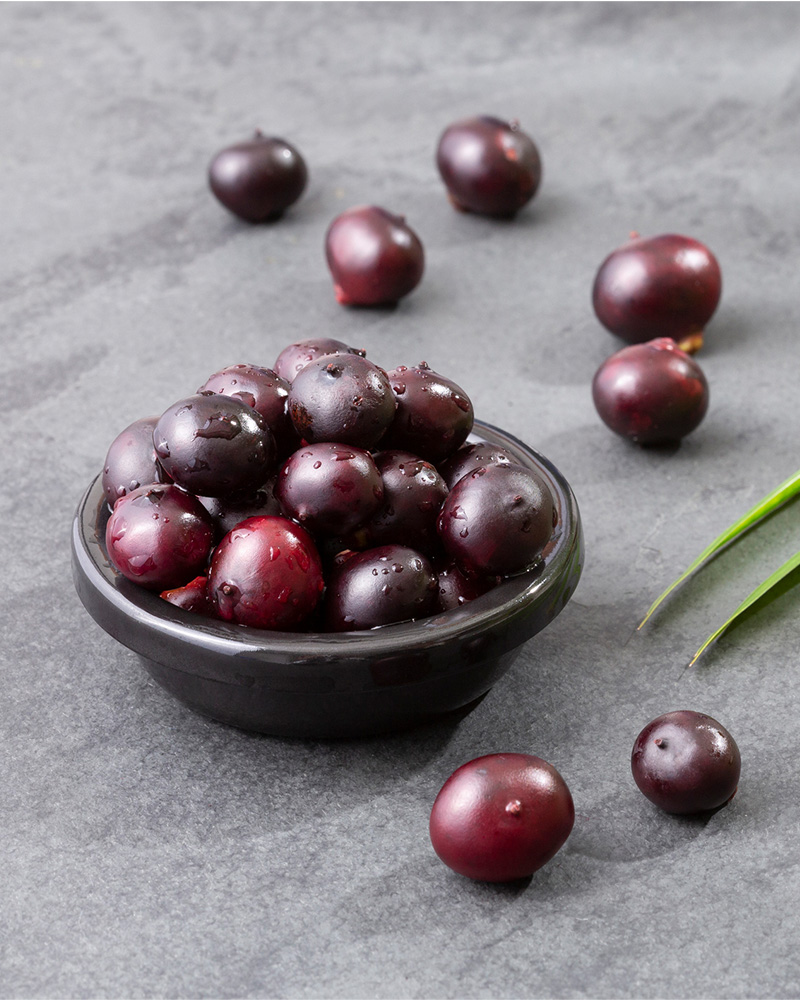
Celebrated in Brazil for its life-sustaining power, açaí comes from the Amazon rainforest. The small round purple fruit grows around a large seed so it’s often eaten as pulp or fruit juice that tastes something like a plum or sour blueberry. The antioxidant capability of açaí has only recently been studied in the laboratory. According to LifeExtension.com, “Açaí powerfully counteracts several of the most destructive free radicals. With the highest reported total ORAC score of any fruit or vegetable, açaí has also been identified recently as a potent COX-1 and COX-2 inhibitor, which may give it the ability to provide relief from pain and inflammation.”
Baobab
 Baobab fruit looks almost like a velvet-covered yam dangling from the tree. Baobab is wild harvested and the inside of the fruit is dry and fibrous. According to the British Website, Aduna, “Baobab fruit contains 14 essential vitamins and minerals. It is almost 50% fiber and has one of the highest antioxidant capacities of any fruit in the world. This gives it an amazing range of benefits, helping with energy, stress, immunity, metabolism and skin health.”
Besides being an excellent source of vitamin C, baobab fruit contains a healthy dose of B vitamins, calcium and potassium. It is a rich source of polyphenols, known to be beneficial in reducing the glycemic response, which is the rate at which sugar is released into the bloodstream. This superfood powder is organic and minimally processed by simply separating it from the seed.
Baobab powder is highly versatile, mixing easily into any number of foods and beverages. It has a mildly tart taste that lends itself to boosting the nutritional value of fruit smoothies, yogurt, salsas, juices, soups, even pancakes, muffins and desserts. More than a dozen companies sell baobab powder on Amazon.
Cherimoya
If you’ve never tried cherimoya, you are in for a real treat. Also known as a “custard apple,” the taste is a mix of mango, banana, papaya, and vanilla flavors, and the flesh is creamy smooth.
Cherimoyas are native to South America, but can be purchased online from Amazon.com or melissas.com and need to be allowed to ripen until soft before use. The black seeds are poisonous when crushed, so be sure to discard them.
Cherimoyas offer vitamin B6 – an antioxidant and an anti-inflammatory, vitamin C, iron and riboflavin for cell energy. Cherimoyas are rich in copper, magnesium, iron and manganese, and contain more of these minerals for their weight than many common fruits like apples. The potassium in cherimoya regulates heart rate and blood pressure, offering protection from strokes.
I love to include cherimoyas in my Exotic Fruit Salad with Granola recipe whenever I can buy them fresh in the market.
Jackfruit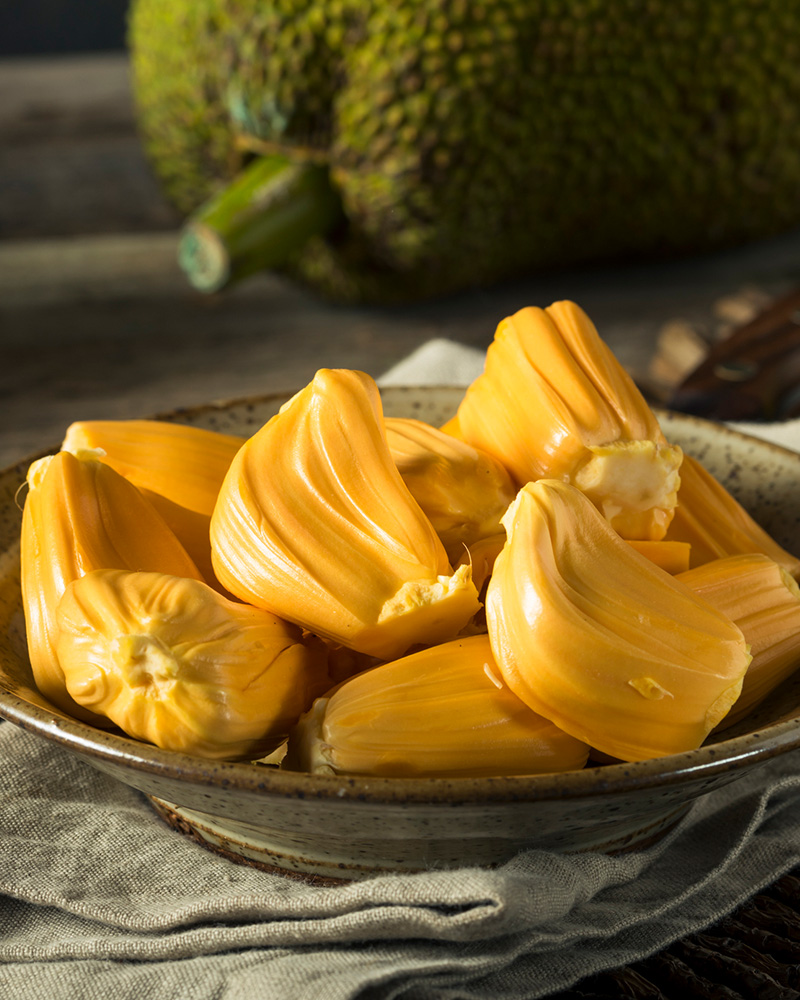
Jackfruit, one of the world’s largest tree fruits, is a nutritional staple in tropical countries. It can grow up to 100 pounds, but most of them are in the 10-20 pound range. It has spiky skin, a distinctive, musky smell, and a flavor that’s a lot better tasting than it smells – sort of like Juicy Fruit gum.
Jackfruit is very high in antioxidants and has a mild tropical taste. Like all orange and yellow fruits, it is a rich source of carotenoids. Jackfruit is also high in protein, potassium and vitamin B.
You can sometimes find jackfruit in Asian markets or order them fresh from melissas.com. I also buy canned jackfruit on Amazon. My Sweet Potato and Jackfruit Delight recipe helps build collagen and keep your skin young.
Rambutan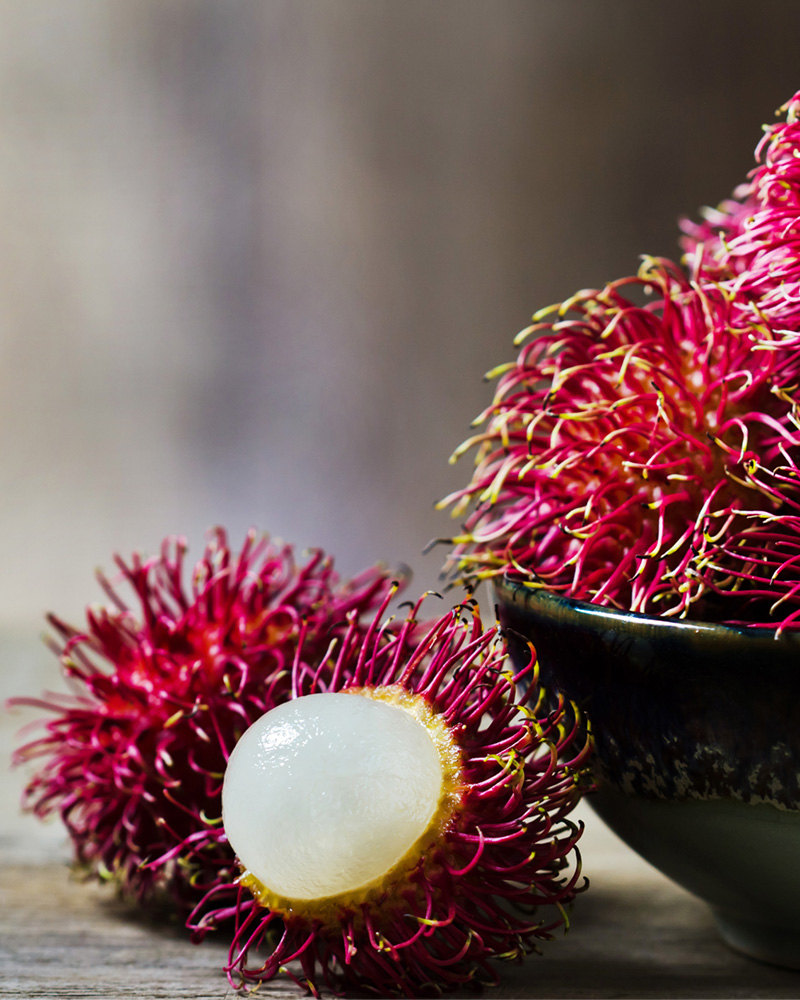
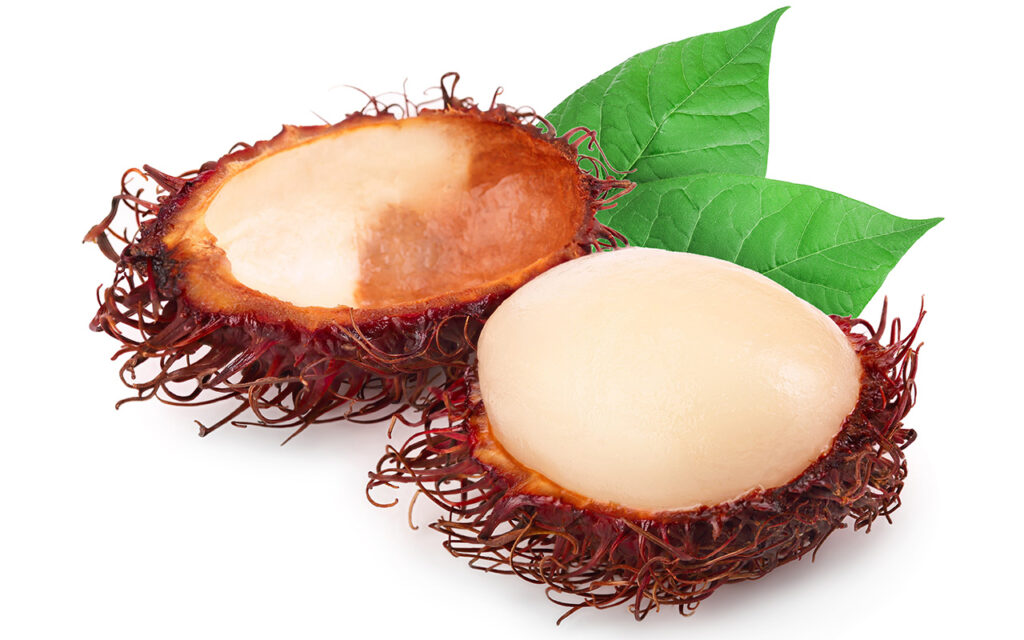
These Malaysian fruits which mean “hair” (rambut), look like small, red, hairy monsters. The somewhat rubbery brownish-red outer shell is peeled away to reveal a white, moist oval that is very similar to a lychee. It’s sweet, juicy and subtle in flavor.
Rambutans contain vitamin C, iron and phosphorous. Sufficient iron intake ensures that your red blood cells are distributing enough oxygen to your tissues. Phosphorous helps muscles contract, builds protein and keeps nerves functioning properly. Rambutan are available at melissas.com.
Mangosteen
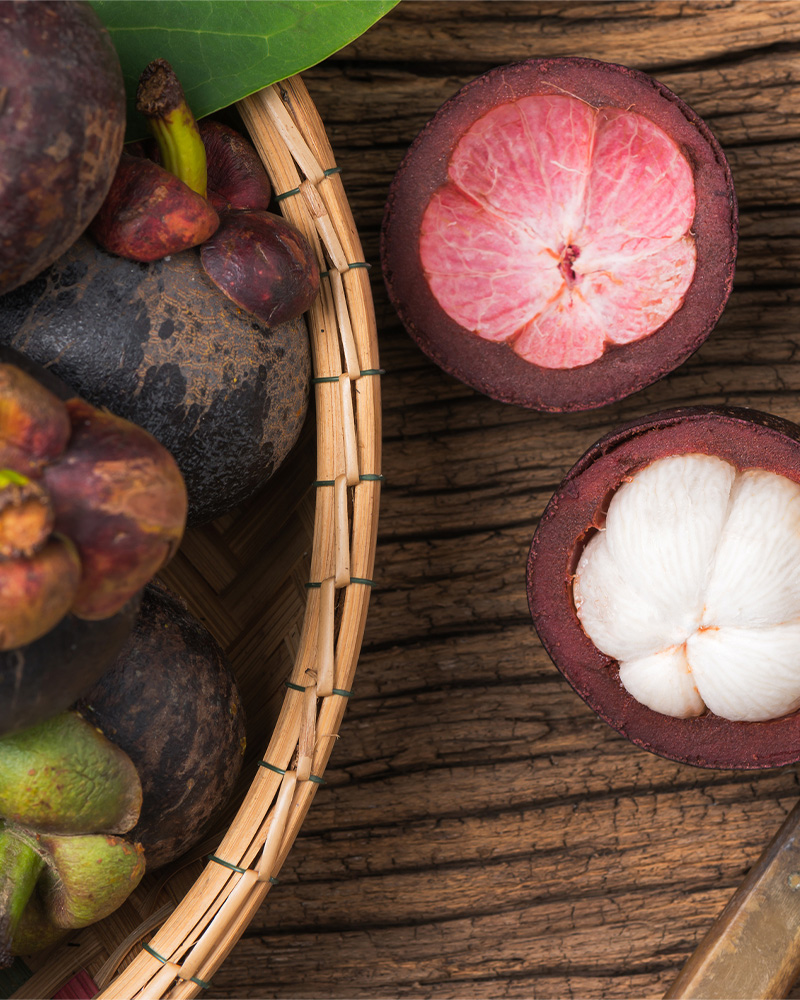
These beautiful little fruits are about the size of a baseball. Dark purple in color, the top is crowned with small green leaves and the bottom is stamped with a flowerlike shape. They almost look manufactured, but this is how God makes them.
You have to carefully cut a line around the tough outer pericarp – the fruit wall – with a sharp knife. The pericarp is about a quarter of an inch thick. Once you’ve made a line along its equator, you can pull the two halves of the mangosteen apart to reveal a soft, snowy white interior that is clearly segmented. The juicy flesh is like a pear or a peach, but with more floral tones.
The flesh of the mangosteen has anti-inflammatory properties and is full of antioxidants, including the FoodTrient vitamin C. My fruit purveyor ships fresh mangosteens from Southeast Asia, but you can purchase them online at melissas.com.
I like to eat the fresh fruit on its own, but I also use the pulp to concoct fun recipes. I created a drink with mangosteens called the Mangosteen Mood Lifter and I can’t resist making my Mangosteen Chutney when they are plentiful.