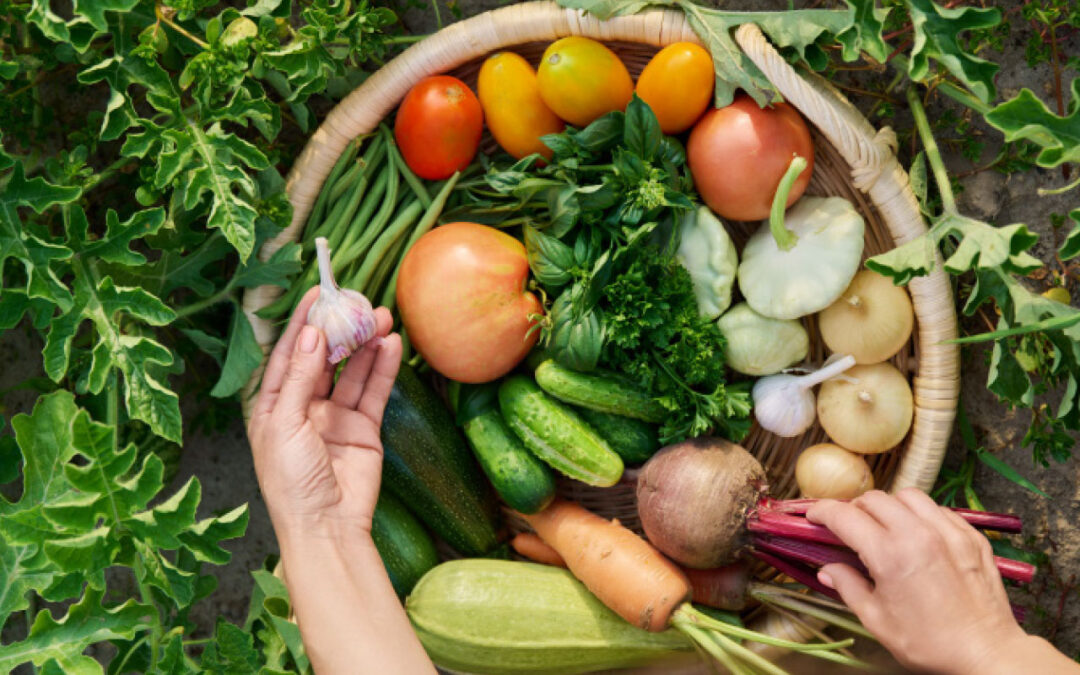

Consumers today face more food choices than ever before. Grocery store aisles are lined with labels promising “organic,” “natural,” “low-fat” and “heart healthy,” while restaurants and takeout options continue to multiply. For busy healthcare professionals and families alike, the challenge is no longer finding food – it is finding healthier food choices that fit into daily life.
Nutrition experts say the answer often begins with a simple strategy: focus less on perfection and more on consistency.

Organic foods have become increasingly popular among health-conscious consumers. According to the U.S. Department of Agriculture’s National Agricultural Library, organic production refers to agricultural methods that avoid most synthetic fertilizers, pesticides, genetic engineering, antibiotics and growth hormones. Organic farming also emphasizes soil quality and environmental sustainability.¹
Many consumers associate organic foods with better nutrition, but experts caution that “organic” does not automatically mean healthier. Organic cookies, chips or sugary beverages can still contain high amounts of calories, sodium or added sugar. Nutrition professionals recommend evaluating the overall nutritional profile of foods rather than relying solely on labels.
One of the simplest ways to improve nutrition is by eating more meals at home. Research published in Nutrition Reviews found an association between frequent eating outside the home and increased body weight.² Restaurant meals and fast-food options are often higher in calories, sodium, saturated fat and portion sizes than home-cooked meals.
Meal planning can help families avoid unhealthy last-minute food decisions. Creating a weekly menu, preparing grocery lists ahead of time and stocking healthy staples can reduce dependence on convenience foods. Even assigning simple themes – such as taco night or pasta night – can make meal preparation easier and more sustainable.
Nutrition specialists also recommend spending more time shopping the perimeter of the grocery store. Fresh produce, dairy, lean proteins, eggs, seafood and whole grains are typically found along the outer aisles, while highly processed foods dominate many center aisles.
Fresh fruits and vegetables remain foundational to healthy eating. Buying produce in season can lower costs while improving flavor and quality. Frozen and canned fruits and vegetables can also be nutritious options because they are often packaged shortly after harvest. When purchasing canned goods, consumers should look for “no salt added” or fruit packed in water instead of syrup.
Reading nutrition labels remains one of the most effective tools for making informed food choices. Comparing products can reveal large differences in sodium, saturated fat, added sugars and fiber content. Experts advise consumers to pay particular attention to serving sizes, which are often smaller than expected.
Reducing added sugar is another major nutrition goal. Sugary drinks, flavored coffees, energy beverages and processed snacks contribute excess calories without significant nutritional value. Water, unsweetened tea and naturally flavored sparkling waters are healthier alternatives.
Fat quality matters as much as fat quantity. Nutrition professionals recommend limiting trans fats and saturated fats commonly found in packaged baked goods, fried foods and processed snacks. Healthier cooking oils include olive, canola, peanut, corn and safflower oils.
Cooking methods also play a role in nutrition. Baking, grilling, roasting, steaming and air frying generally reduce excess fat compared with deep frying. Small substitutions – such as low-fat dairy products, leaner cuts of meat or plant-based proteins – can significantly improve the nutritional quality of meals without sacrificing flavor.
Healthy snacking habits can support better nutrition throughout the day. Keeping cut vegetables, fruit, yogurt, nuts or air-popped popcorn readily available encourages healthier choices when hunger strikes. Portion control also matters. Dividing large snack packages into individual servings can help prevent overeating.
Mindful eating is another growing focus among nutrition experts. Eating meals without distractions such as television or smartphones may help individuals better recognize hunger and fullness cues. Smaller plates and slower eating habits can also support healthier portion control.
Ultimately, healthy eating does not require extreme diets or expensive ingredients. Experts emphasize that sustainable nutrition habits are built gradually through practical, everyday choices. Choosing more whole foods, preparing meals at home more often, and becoming more aware of ingredients and portion sizes can collectively lead to long-term health benefits.
As consumers continue navigating competing food trends and nutrition claims, balance remains key. Organic foods may offer environmental and agricultural benefits, but the healthiest eating patterns are still rooted in moderation, variety and consistent healthy habits.
References
Gold, M.V. (2016). Organic Production/Organic Food: Information Access Tools. National Agricultural Library, U.S. Department of Agriculture.
Bezerra, I.N., Curioni, C., Sichieri, R. (2012). “Association between eating out of home and body weight.” Nutrition Reviews, 70(2), 65–79.
“Making healthier eating choices.” National Institutes of Health.