 By Samantha Hammond, RN, BSN, MSN
Christopher Duntsch is currently serving a life sentence for gross malpractice. You may have heard the podcast, watched the television series, or heard of him by the name Dr. Death. While practicing as a neurosurgeon in Texas, Duntsch conducted surgeries at multiple hospitals in 2011 and 2012 that led to increased patient pain, significant disability and death. Hearing the story, you can’t help but wonder how he was able to find a second job after the horrific events at his first place of employment. Who was checking references? Why was he never reported? Somehow, Duntsch fell through the cracks of the medical credentialing process – a terrifying and disturbing thought.
Dr. Death is an extreme example, but not an isolated one. Just this January, a federal grand jury indicted 25 people for selling more than 7,600 fraudulent nursing diplomas from Florida nursing schools. How can you protect your organization from those seeking to work in health care with falsified certifications of education and/or experience? The first step is to develop and follow a robust and comprehensive medical credentialing program.
The Three Ds

- Definition – “Credentialing” in health care simply refers to the process of verifying and assessing a provider’s academic qualifications and clinical practice history. It is informed by state and federal regulations, accrediting body standards, organizational policies and even insurance payor contract requirements. The core purpose of medical credentialing is patient safety. More than doing no harm, credentialing is intended to ensure that patients receive the highest quality of care from fully qualified and competent health care professionals.
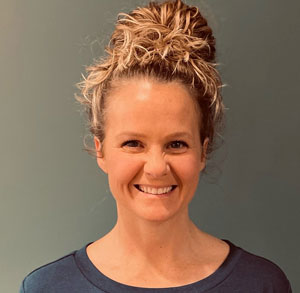
Samantha Hammond, RN, BSN, MSN
A thorough credentialing process is also a risk management strategy, providing protection for the organization in the event of litigation, and preventing potential revenue loss by ensuring compliance with state and federal regulations that impact reimbursement. In the simplest terms, credentialing should be performed and fully documented for every provider, at regular, defined intervals.
- Details – A completed credentialing packet will include a lot of information driven by organizational policy and accreditation standards. Documentation may include:
- Demographic information
- Medical license
- DEA certificate
- Medical school, residency, fellowship documentation
- Proof of malpractice insurance
- Board certification (if required by organization bylaws)
- National Provider Data Bank (NPDB) and Office of the Inspector General (OIG) queries (for sanctions/disciplinary action)
- Criminal background check (initial application)
- Work history
- Professional references
- Resume/curriculum vitae (CV)
- Clinical activity, procedural logs
- Peer review activities and review of current competence
- Documentation of continuing education
- Hospital and/or medical group affiliation
- List of requested privileges (procedures to be performed by the provider)
- Letter of approval signed by a governing body representative (Granted approvals/appointments are valid for not more than 36 months, depending on organizational policy.)
This list is not exhaustive. Your organization’s policies and procedures should provide further detail and clarification.
- Delivery – What is the best way for organizations to accomplish the task? Medical credentialing is detailed and can take days, or even weeks, to complete. Here are some strategies and tips to ensure complete, timely and successful process.
- Start early. If your providers are due to be re-credentialed in January 2024, start gathering information in August. You’ll give yourself an extra cushion of time and won’t have the added pressure of completing packets during the annual “deductible dash” for procedures that occurs at the end of every calendar year.
- Keep contact information up to date. Communication is essential throughout the credentialing process. There will be a lot of back-and-forth between the providers and administrative staff. Discovering that you have an incorrect email address for one of your providers can be detrimental and costly.
- Checklists and calendars are your friends! Use the tools provided by your accrediting body. Create a calendar with upcoming expiration dates (January – Surgeon A medical license expiration, February – Surgeon B DEA expiration, March – all surgeons’ liability insurance expiration, etc.). Block your own calendar with time to gather information and disseminate packets to providers. Identify a workflow that makes sense for you and stick to it.
- Consider outsourcing. Cutting corners during the credentialing process is not an option. You may decide that using a third-party resource is the best solution for your organization. A Credentials Verification Organization (CVO) can provide support by collecting and validating provider documents, often more accurately and quickly that someone who is balancing other responsibilities. CVOs focus on offering this service so that you and your organization can focus on daily operations and patient care.
To recap: Medical credentialing can be time-consuming and even tedious but must be completed BEFORE a provider may start practicing in your facility. Renewals must be completed BEFORE expiration of privileging. Set yourself up for success by adapting a streamlined process to ensure compliance with regulatory standards and demonstrate commitment to quality patient care.
Sam Hammond is a clinical review specialist for the ambulatory and office-based surgery division of ACHC. Sam has worked in surgery for almost 20 years, with primary focus on orthopedics and ambulatory surgery. She moved to accreditation in January 2023, and will be using her extensive surgical background and knowledge base to provide experienced guidance to ambulatory organizations.