
By AAMI

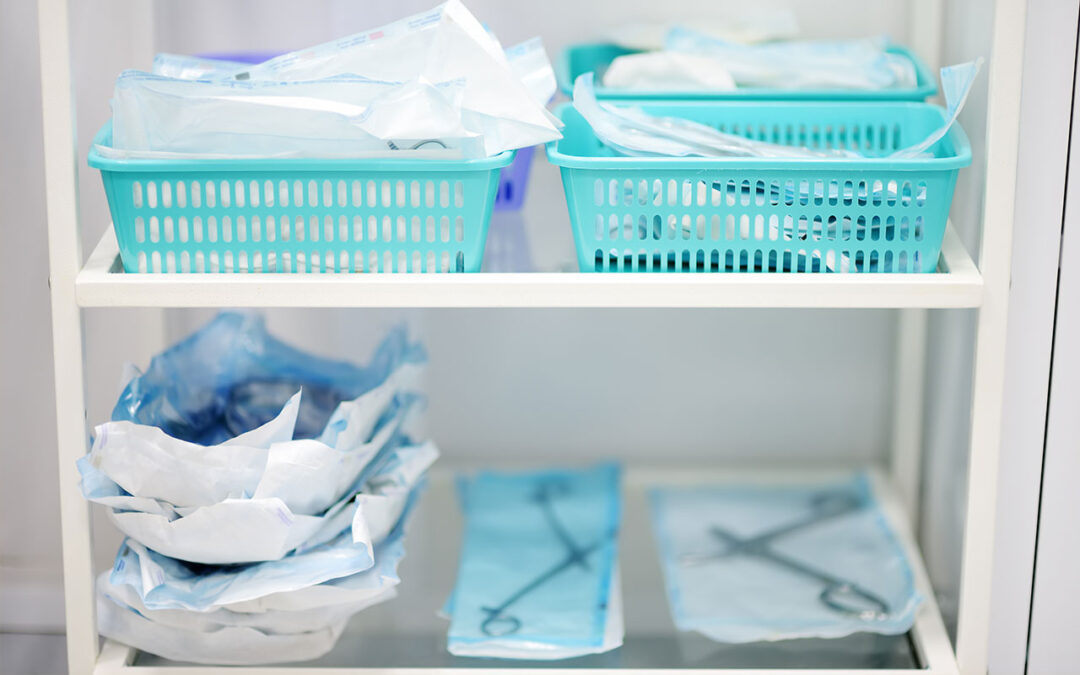
Sterile packaging is engineered, tested and validated long before it ever reaches a sterile processing department. However, according to Tanya Magaña, supplier excellence engineer for Packaging at Solventum, packaging engineers play a vital role in keeping patients safe. In a recent episode of AAMI’s Below the Hospital podcast, hosted by Garland-Rhea Grisby Sr., Magaña discussed the disconnect between how packaging systems are tested and how they are handled in hospitals, and what that means for patient safety.
Magaña explained that every sterile package must meet a fundamental requirement before it ever reaches a shelf. “All of our packages have to go through tests to ensure that they’re going to be able to maintain sterility and ensure patient safety through the life cycle of that package.”
That fundamental requirement exists because the stakes of a breach are so severe. “The main requirement for the sterile package is to maintain sterility,” Magaña said. “We don’t want any breaches in our package, which then introduce bacteria, essentially microorganisms that can infect the patients.” Packaging materials must resist punctures and seal degradation and must allow sterile processing staff to visually inspect for breaches before use.
Despite that rigorous testing, Magaña pointed to a structural blind spot in how packaging systems are validated versus how they’re used. Packaging is typically tested at the master case level, or the brown shipping carton that arrives at a facility. Once inside the hospital, the case is broken down, and individual pouches, wraps, and trays are distributed and handled separately. This mismatch between test conditions and real-world handling, Magaña said, is where many failures likely originate.
This understanding of the field has come largely through her work with AAMI’s Kilmer Innovations in Packaging (KiiP) group, where sterile processing professionals have shared their insights into how packaging is actually handled after it leaves manufacturing. Magaña chairs the KiiP Education committee, known as KiiP-Ed.
Common problems arise when staff handle packaging in ways it was not meant to withstand. This can cause pinholes or create channels along seals. Dropped packages create additional uncertainty. For example, if an item has two layers of wrapping, does the entire package need to be reprocessed, or can sterility be preserved by removing only the outer layer? Without consistent feedback to packaging engineers, Magaña said, these questions often remain unresolved.
That communication gap, in Magaña’s view, is exactly what needs to be closed. “What I’ve been trying to do with an industry within KiiP-Ed is break down those silos between the different stakeholders, like packaging, nursing and SPD staff.” Grisby pushed the point further, noting that no two hospitals function alike, a lesson he said he’s absorbed over years of visiting different facilities. Even sister sites within the same health system can vary widely in layout, staffing, and workflow, meaning packaging engineers who base assumptions on a single site visit may still miss the full picture.
Magaña also noted that feedback from sterile processing departments is essential to closing that gap. Without it, packaging engineers have no way to know where a system is falling short, or where an instructions-for-use document, training material or even an industry standard like ISO 11607 needs updating. For Magaña, that ongoing exchange between packaging design and hospital practice is what ultimately protects patient safety.
Want more Below the Hospital? You can find more episodes and follow the show on YouTube, Spotify, and Apple Podcasts.