By Grace O
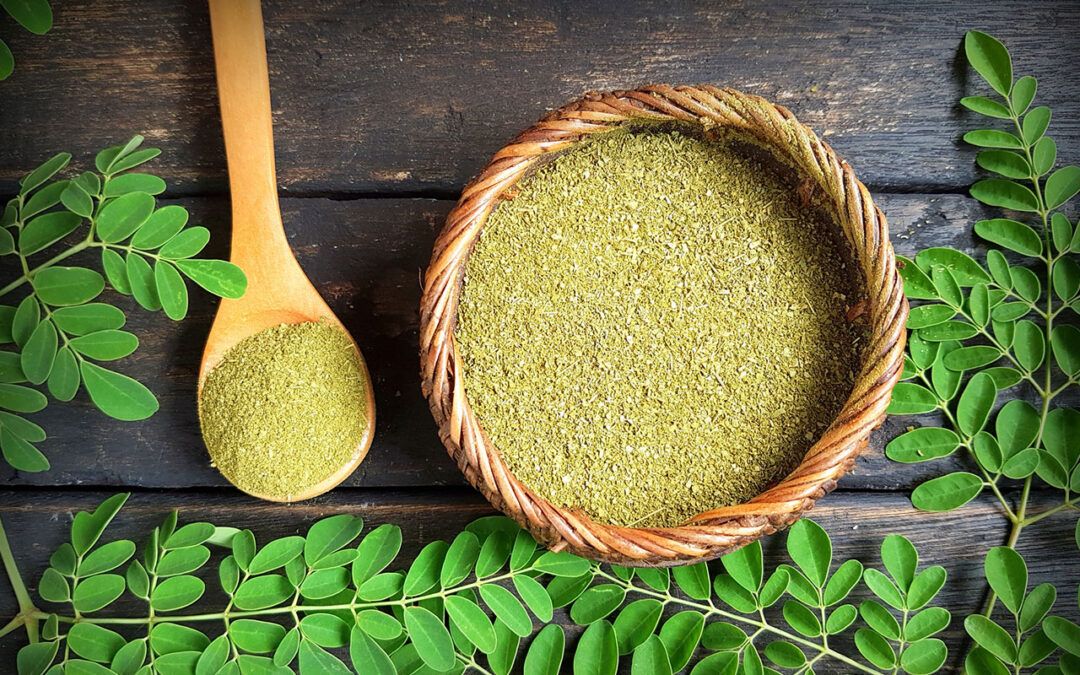
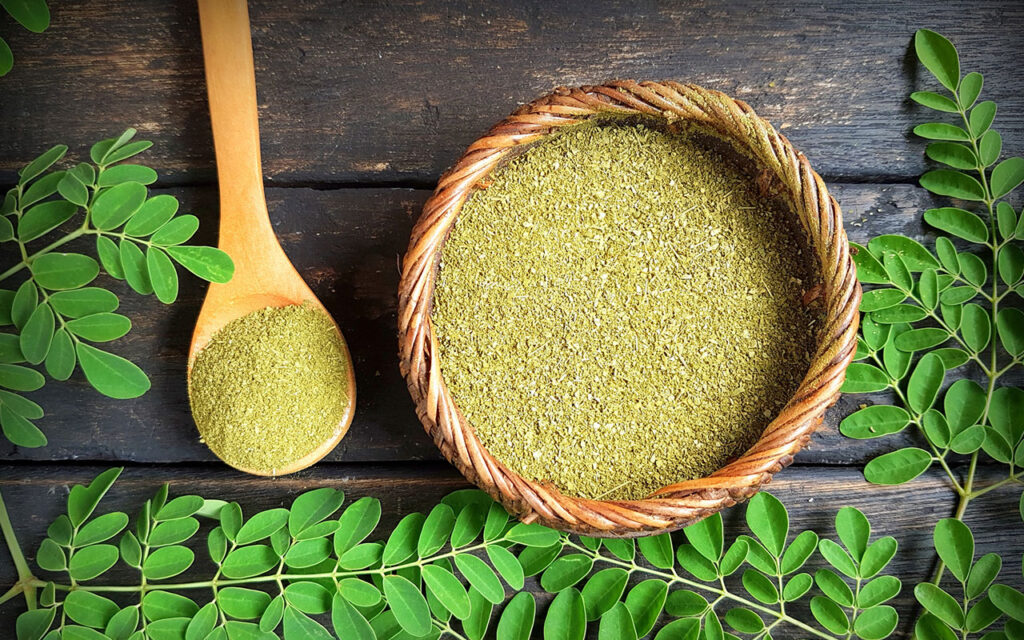
Very few Americans have ever heard of the moringa oleifera plant, but in Africa it’s a lifesaver. It needs very little water to grow and its leaves offer a full complement of protein, minerals, and nutrients to both humans and cattle. When Africans cook with moringa, they throw the tiny green leaves into soups and stews just before serving. When eaten fresh this way, the leaves give off a slightly grassy flavor.
Moringa leaves provide protein, calcium, and iron, plus vitamins A and C, and potassium. Vitamin A boosts immunity, strengthens skin and hair, and keeps eyes healthy. Vitamin C helps the body resist infection, helps prevent cataracts, and aids in tissue regeneration. Potassium keeps blood pressure low and the whole body hydrated. It also has been shown to decrease the risk of stroke. The antioxidants in the dark green leaves boost cellular health, which helps us age gracefully.

Fresh moringa leaves and plants are not easy to find in America. It doesn’t help that moringa oleifera has many names in various languages. In Bengali it’s known as “shojne danta,” in Hindi it’s “sahjan,” and in Nepali moringa is called “sajiwan” or “swejan.” In the Maldives, they named it “muranga.” In Thai, you’ll hear it referred to as “ma rum.” And in Tagolog, the main language of the Philippines, it’s called “malunggay.” In Haiti they’ve given it the name “benzolive,” which is similar to an American nickname for it: “ben oil tree.”
I get my live moringa plants from Armstrong Gardens in Orange County, California and plant them around my house. I use the tiny, dark green leaves in many of my recipes like my Moringa Vegetable Soup. It’s made with chicken stock, eggplant, okra (another African vegetable), kabocha squash and string beans. The dark green, purple, and deep golden colors in this soup look stunning. It’s also delicious.
I also use the fresh leaves in my own version of a spinach dip because moringa leaves have a similar taste and texture to spinach, especially when blanched. Some people grind the fresh leaves together with olive oil and garlic to make a kind of pesto for pasta. The popularity of this plant is growing worldwide. In India, the pods and seeds of the moringa tree are used in curries and korma sauces. In the Maldives, the leaves are fried along with onions and dried tuna.
Moringa comes in powdered form, too. I purchase powdered moringa online at www.moringaforlife.com. Some of my recipes call for powdered moringa (like my moringa dip). The powder will lend a pale green color to the food. I like to dissolve the powder in liquid for best results. The powder is also packed into capsules and taken as a supplement. When I suspect I might be getting sick, I take a powdered moringa capsule, because it’s better than zinc for boosting immunity.
The folk remedies that incorporate moringa include using it topically as an antiseptic, an anti-inflammatory and as a remedy for headache. Some people chew the bark for a Viagra-like effect. Women eat the leaves to increase the production of breast milk. In India, moringa leaves are used to control blood pressure and blood sugar levels. A snuff has been made from the roots and used to relieve earaches and toothaches. Scientific studies are now being conducted to support those folk remedies. Extracts from the seeds can also be used to reduce bacteria in water by at least 90%. Some countries use the seeds as a biofuel source for biodiesel. However, it’s used, this miraculous tree provides many people with amazing benefits, which is why I add it to my diet regularly.
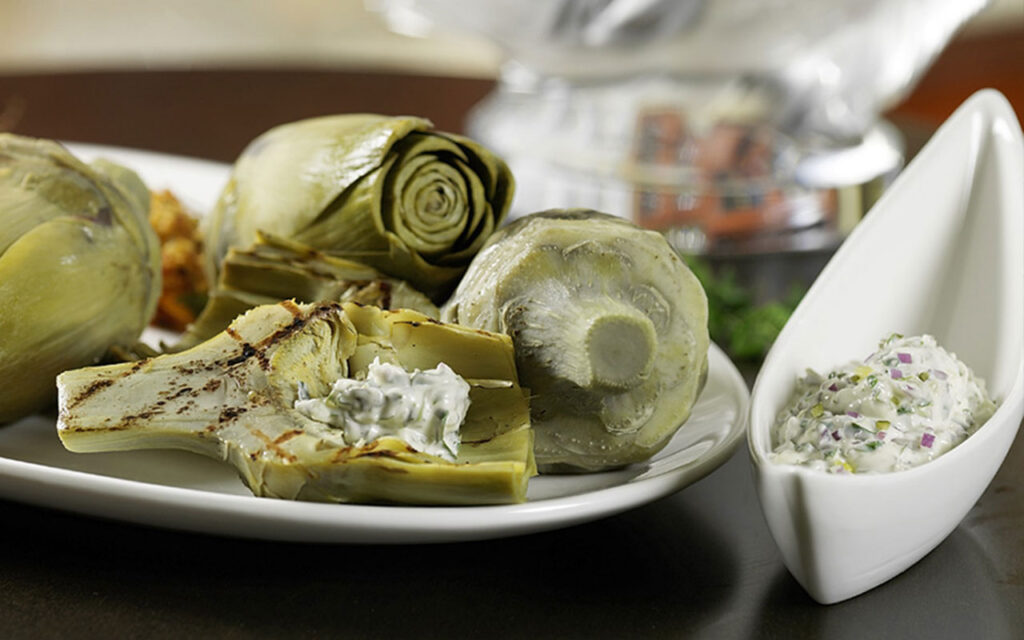
Grilled Artichokes with Moringa Dip
from the Age Gracefully Cookbook by Grace O
In this tasty appetizer, I pair moringa with artichokes, which add lutein for eye health and fiber for gut health. I like to steam the artichokes first and finish them on the grill, but you can omit this step to save time. Add other grilled vegetables such as red bell peppers, zucchini and asparagus to expand on this delicious party food.
Serves 4-6
Ingredients
4 artichokes, trimmed and steamed for 30 minutes
2-3 Tbs. olive oil
1 cup olive oil mayonnaise
1 Tbs. finely chopped red onion
1 Tbs. finely chopped sweet pickles or sweet pickle relish
½ cup fresh moringa leaves or 1 tsp. moringa powder dissolved in 1 Tbs. warm water
Sea salt and ground pepper to taste
Procedure
1. Preheat grill. Cut each steamed artichoke in half and remove the choke.
2. Brush each artichoke half with olive oil and grill over medium heat, cut side down, for 2 minutes. Set aside.
3. To make the moringa dip, combine the remaining ingredients in a small bowl and mix with a wooden spoon.
– Grace O is the creator of FoodTrients, a unique program for optimizing wellness and longevity. She is the author of three award-winning cookbooks. Her latest cookbook is “Anti-Aging Dishes from Around the World.” Recipes mentioned in this column can be found at FoodTrients.com.