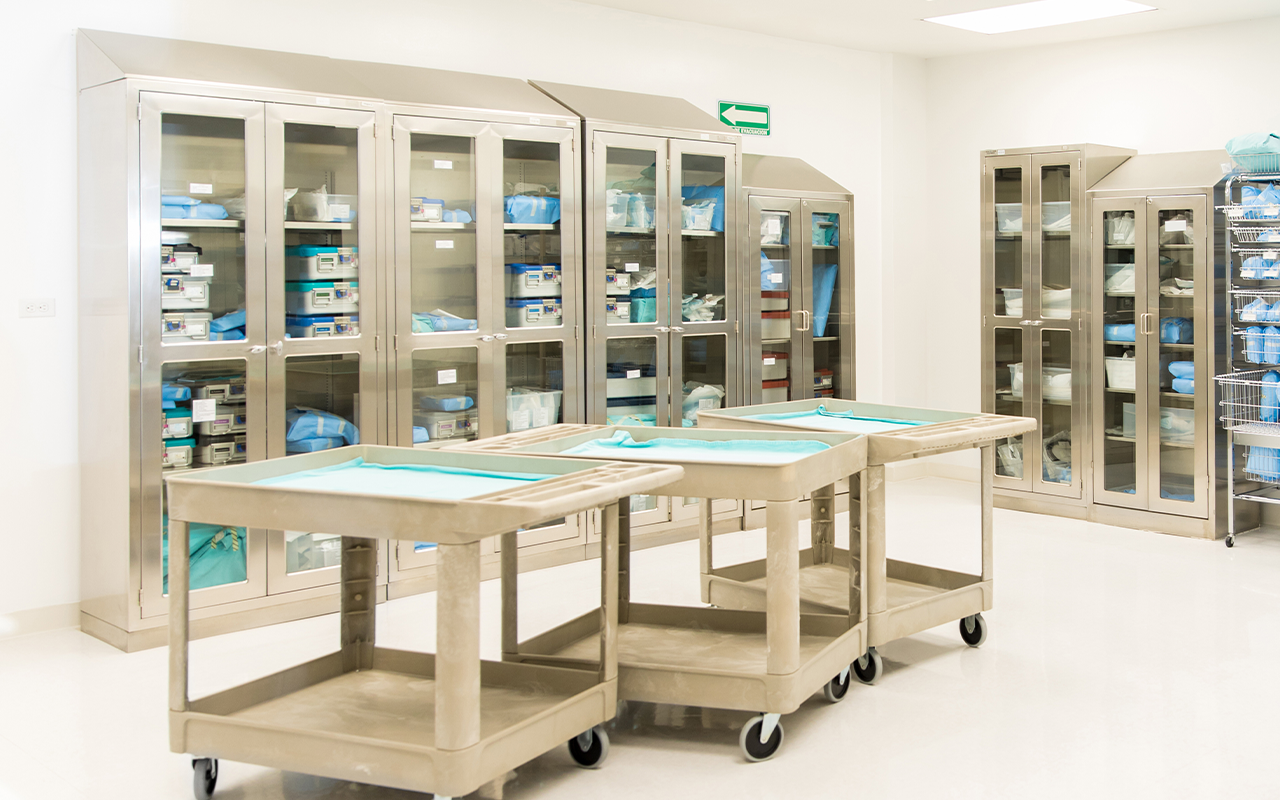
Market Research Intellect reports that the medical cabinets market is set to achieve $158.39 billion by 2031, propelled by a strong CAGR of 6.34% between 2024 and 2031. This growth can be attributed to the rising adoption of medical cabinets. The increasing need for efficiency and the introduction of innovative products are further propelling market expansion.
The Medical Cabinets market landscape is rife with challenges, necessitating innovative solutions and adaptive strategies. Intense market competition continuously pushes companies to differentiate and innovate. Rapid technological advancements and evolving consumer preferences demand agility and foresight. Regulatory compliance and geopolitical risks further complicate operations. Supply chain disruptions and fluctuating costs add to the complexity. To overcome these hurdles, businesses must prioritize agility, invest in cutting-edge technologies, and embrace data-driven decision-making. Cultivating robust customer relationships and integrating sustainability practices are imperative for long-term success.

ResearchAndMarkets.com reports that the U.S. medical carts market is anticipated to reach $2.02 billion by 2030 and is anticipated to expand at a CAGR of 12.4% from 2024 to 2030
Market growth can be attributed to the increasing adoption of EMR in hospitals, the rise in the volume of hospitals and urgent care centers, growing hospital admissions, surge in the geriatric population, and technological advancements. Moreover, the integration of telemedicine capabilities into medical carts is expected to boost the market over the forecast period.
An increasing trend of customization in medical carts has been witnessed due to changing user preferences. This factor directly impacts the design of medical carts. Manufacturers are constantly striving to address the different needs of end users in the medical care business as a result of this trend. One of the most prominent design trends is the use of traditional medical carts with customizable options.
With this customization, manufacturers can provide customers with options to build medical carts based on their needs while being cost-effective. It can be customized to carry proper equipment for all possible situations. These include cardiac response carts, emergency room carts, crash carts, and surgical support carts. The aforementioned factors are likely to augment market growth.
The growing geriatric population, highly susceptible to chronic diseases, is further expected to drive the demand for comfort medical carts designed to meet the unique needs of elderly patients and enhance their overall comfort and well-being. According to the U.S. Census Bureau 2023 statistics, the number of Americans aged 65 & older is anticipated to surge from 58 million in 2022 to 82 million by 2050, and the 65-and-older age group’s share of the total population is expected to rise from 17% to 23%.
Patients in these age brackets are vulnerable to multiple chronic conditions and necessitate greater patient safety and care. Several preexisting conditions commonly affect these people. In addition, ED setting contributes to changes in vision and hearing, declines in functional reserve, and cognitive impairment. These issues are resolved using comfort carts, driving the market growth.
Future Market Insights Inc. also reports growth.
“The global sales of medical carts are estimated to be worth $1.1 billion in 2024 and are anticipated to reach a value of $2.8 billion by 2034. Sales are projected to rise at a CAGR of 9.5% over the forecast period between 2024 and 2034. The revenue generated by medical carts in 2023 was $1 billion. The industry is anticipated to exhibit a year-over-year growth of 9.6% in 2024.
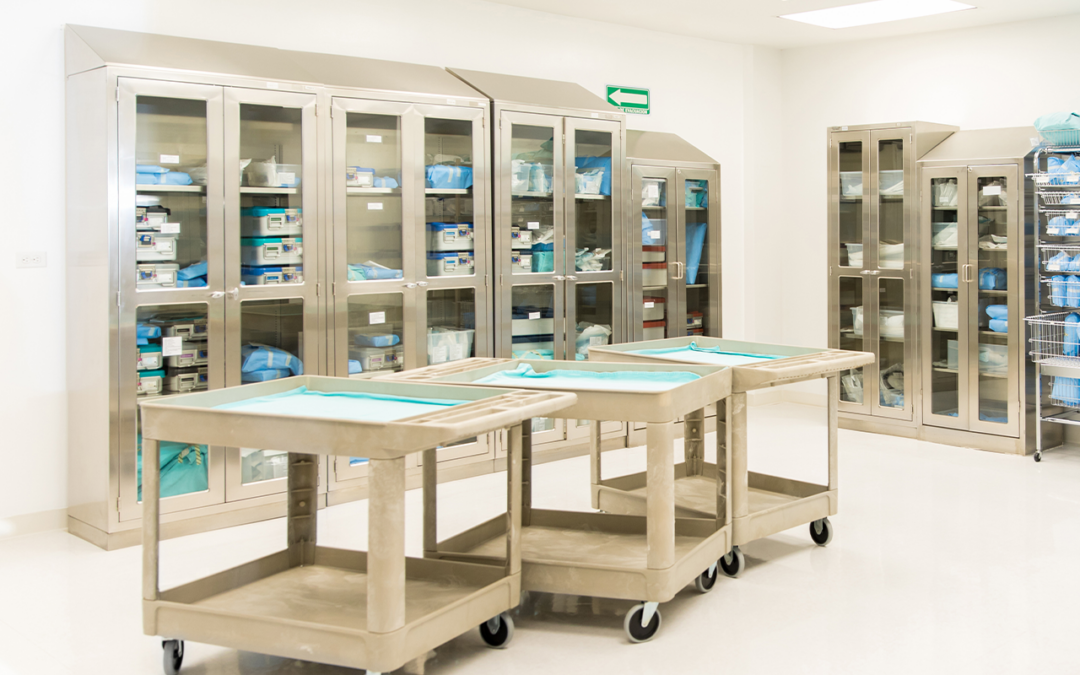
Medical carts are designed to enhance productivity, efficiency and organization of any medical task performed in health care institutions. In fact, these mobile units are fitted with a number of drawers, compartments, and specialized trays to carry medical supplies, medications, and equipment anywhere around a facility.
Types of medical carts include crash carts used in emergency situations, anesthesia carts used during surgery, medication carts used during drug distribution, and procedure carts used for certain clinical procedures.
The mobility of these trolley carts is vital in busy places such as hospitals, where fast, orderly access to tools needed can sometimes be the difference between life and death. They arrange workflow, minimize errors, and give better patient care by allowing staff members to find everything at their fingertips.
Moreover, most of the modern medical carts are integrated into advanced features such as electronic locks, barcode readers, and embedded computing systems that enhance their functional use in delivering efficient and safe healthcare services.
The growing infection control and patient safety activities in healthcare facilities have highly surged the demand for medical carts designed to assure the enhancement of hygiene practices. Modern medical carts now integrate antimicrobial surfaces with easy-to-clean designs, reducing contamination risks and supporting stringent infection control.
These prevent the dissemination of pathogens, ensuring a safer environment both for patients and people around them. Important growth factors of the medical carts industry include high levels of hygiene and increased patient safety within health care facilities, integration of materials and designs that allow for easy and frequent cleanings and disinfections.
Growth in health care facilities in terms of hospitals, clinics, and outpatient centers, especially in the developing countries, are all chief drivers for the medical carts market. As these facilities grow and the demand for health care services rises, there is a need for efficient and effective solutions to manage medical supplies and equipment.
Medical carts come within such a scenario in that they offer organized, managed storage that is mobile in nature, enabling better workflow and accessibility.
In new or expanded facilities, medical carts become important in the streamlining of the delivery of care through the provision of tools and medicines at hand, with the right places. Increasing healthcare facilities are directly related to the rise in demand for medical carts and hence, increasing market growth.