By David Taylor III, MSN, RN, CNOR
Sterile processing-related functions and processes are coming under greater surveyor and auditing scrutiny, and case carts are just one aspect drawing more frequent attention. In fact, hospitals and other health care organizations are being cited more frequently in regulatory audits as they and other regulatory bodies observe the use and flow of case carts.1

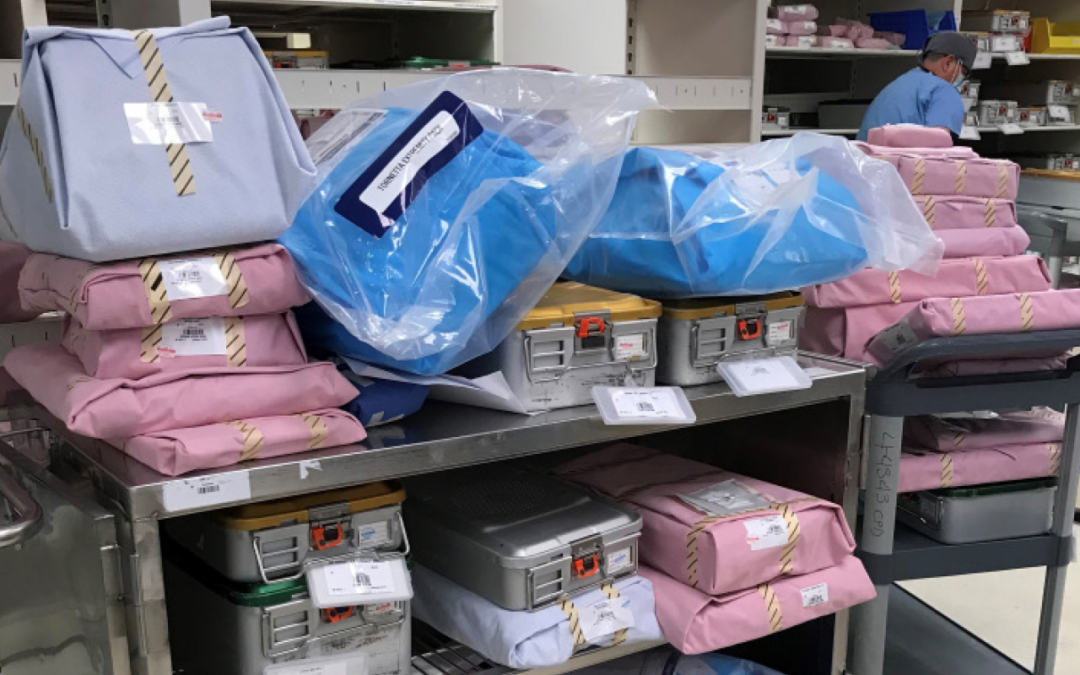
Case carts may appear to be just another piece of equipment, but they are crucial for protecting and transporting instrumentation, medical equipment and supplies to the operating room (OR) and other procedural areas safely and in a timely manner. A well-constructed plan and an orchestrated series of activities coordinated by sterile processing (SP) professionals and their procedural partners is necessary to ensure case carts are managed properly, safely and consistently to support customer needs; however, many health care organizations aren’t giving their case carts the time and attention they deserve.
Achieving reliable instrument reprocessing requires striking the right balance among cost, productivity and safety, and case cart management strategies play a critical role in the process. Interdepartmental cooperation is required, and case carts present one of the most proven ways to simplify processes and ensure that devices are transported safely and in accordance with standards, best practices and policies and procedures.
Follow the right path
Case carts begin their journey in a restricted area of the SP department (SPD). Once disinfected, they travel from one restricted area to another by following a clean pathway, either laterally or vertically (elevator) before being used in patient care. Case cart cleanliness is essential for ensuring patient-ready instruments remain protected and contamination-free during transport to user areas. Contents must be well secured to prevent shifting and possible damage. Once procedures are completed, the instruments and equipment are transported back to the SPD using a dedicated “dirty pathway.”
Although clean and dirty pathways between the SPD and procedural areas should remain separate, many organizations fail to design a clean or dirty (contaminated) pathway, or they have expanded their operations, but without devising a proper plan and flow to allow for this separation. In my consulting experience, I have witnessed many organizations transporting case carts through public hallways, corridors and elevators, for example. The result is a heightened risk to case carts and their contents, which then creates an increased risk to the patient.
When clean thoroughfares (lateral or vertical) do not exist, case carts are often staged in public spaces before being transported to their destination. If the SPD is located in the basement, case carts can often be found unattended, parked along dirty corridors with their contents at risk for contamination, damage or even theft.
Cleaning, maintenance critical
Dust, sutures, mop strings and other dirt and debris can easily collect on carts and their casters; therefore, proper cleaning and inspection of case carts after each transport and use are extremely important. When case carts are staged in dirty areas and transported through public areas, they should be cleaned (wiped down) with an appropriate agent prior to entering a restricted (clean) procedural area.
Aside from possible contamination and infection-related implications, poorly maintained case carts can impede proper function, leading to compromised cart contents and injuries to employees and others who may be near the carts during transport and stowing. When kept in sterile storage, some key parameters must also be met. Standard temperature of the area should range from 72 to 78 degrees F, and relative humidity should not top 60%. Additionally, the space and adjacent areas must have positively air pressure and consist of a minimum of four air exchanges per hour.2-3 If the SPD is staging case carts stocked with sterile instrumentation and supplies in a public hallway, however, the question becomes, “Who is validating temperature, humidity, positive or negative pressure and air exchange rates?”
To keep case carts in good and safe working condition, the following key inspection points and focus areas should be prioritized:
- Ensure case cart(s) are large enough to properly contain contents (cramming instruments or piling/stacking them can cause damage to items).
- Confirm doors, latches, locking mechanisms, casters and handles function properly and are not damaged. Any cart features that are not in good working condition can create opportunities for injury and content damage.
- Avoid overloading or excessive weight on shelves.
- Maintain the security of sealed carts.
- Follow proper infection prevention procedures.
Conclusion
Maintaining case carts before, during and after use is critical to safe patient care. Fortunately, health care organizations can adopt measures and practices to prevent incidents of contaminated instruments reaching end users and patients if they invest a little effort into their processes
David Taylor III, MSN, RN, CNOR, is an independent hospital and ambulatory surgery center consultant and the principal of Resolute Advisory Group LLC, in San Antonio, Texas. He has served as an HSPA contributing author since 2019.
References
https://www.hpnonline.com/sterile-processing/article/13000988/maintaining-case-cart-containers-critical-for-safety-success
https://www.jointcommission.org/standards/standard-faqs/ambulatory/environment-of-care-ec/000001275/#:~:text=Minimum%20total%20air%20exchange%204,or%2022%20to%2026%20C
https://www.evolvedsterileprocessing.com/post/2019/11/10/sterile-storage-an-assessment-of-temperature-and-humidity-conditions