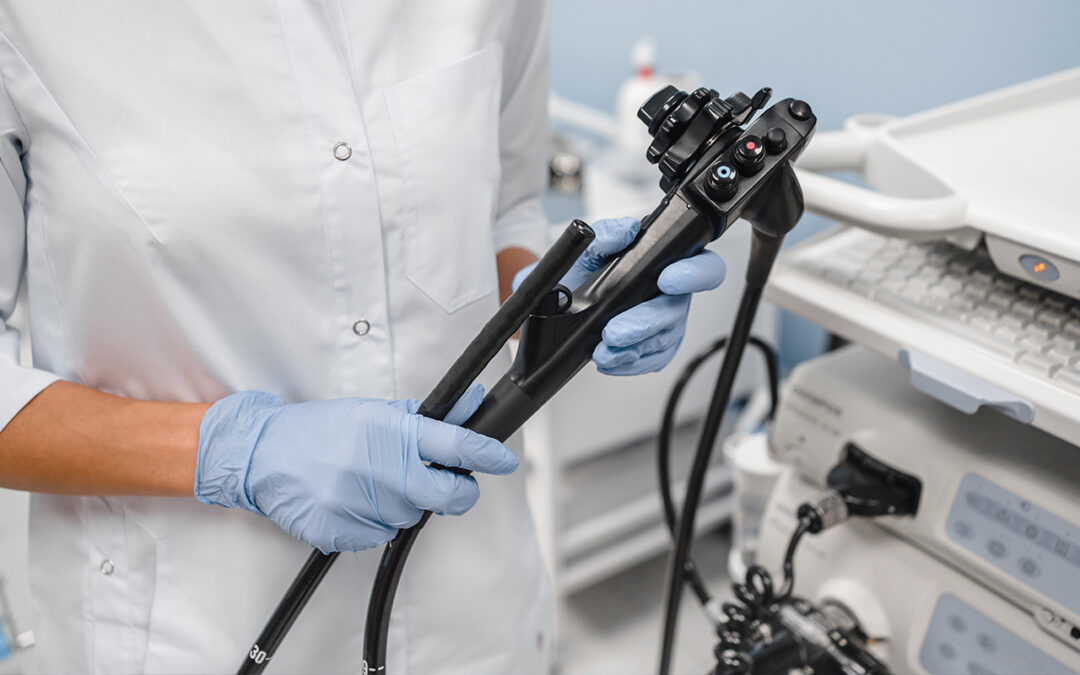
New research presented at HSPA 2026 is drawing fresh attention to a persistent problem in endoscope reprocessing: hardened, encrusted biofilm that standard cleaning methods may not be able to remove. Daniel Lightfoot, director of medical affairs for the Americas at Nanosonics, conducted the research and recently joined host Garland-Rhea Grisby Sr. on AAMI’s Below the Hospital podcast to discuss the implications.
Lightfoot, who holds a Ph.D. from the Karolinska Institute in Stockholm and has contributed to AAMI standards including ST98 and ST108, described years of research aimed at understanding why endoscope-related infections continue to occur even when reprocessing is carried out correctly and in full compliance with manufacturers’ instructions for use.

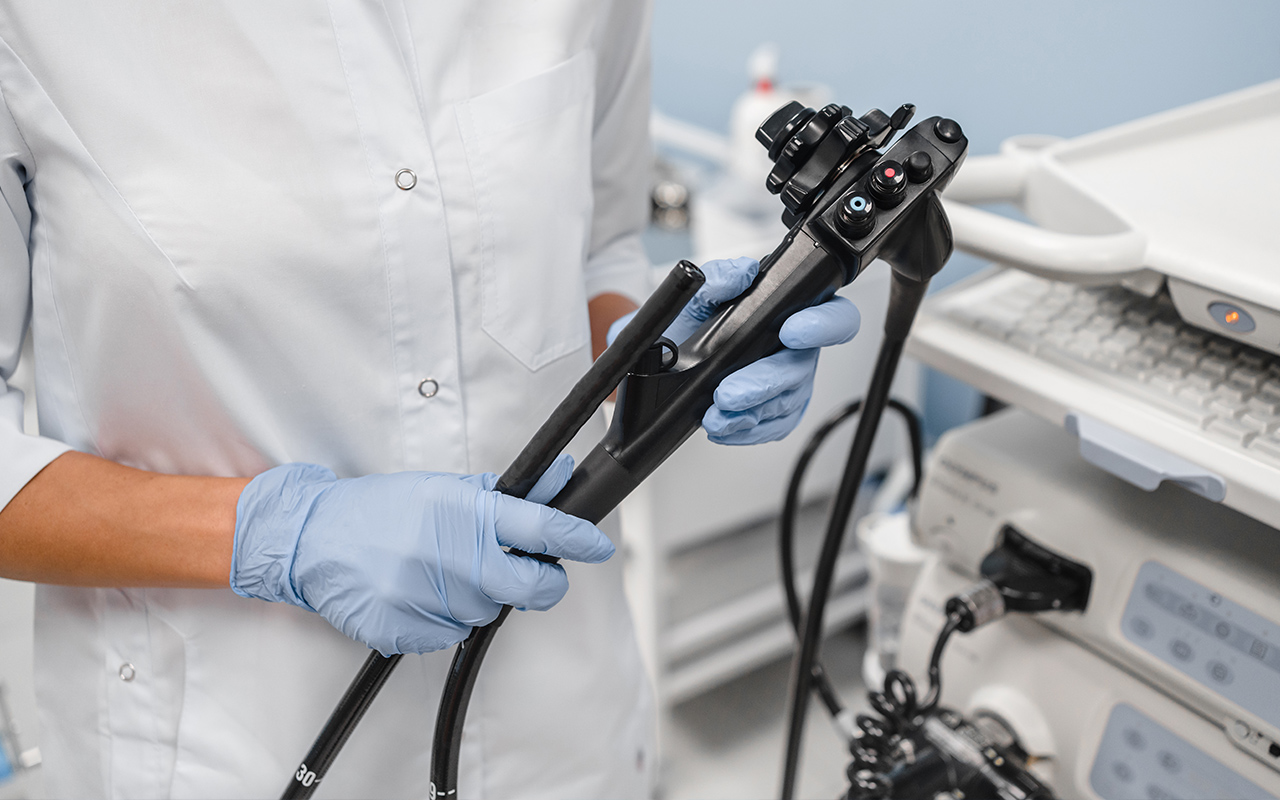
The culprit, according to Lightfoot, is a specific type of biofilm unique to flexible endoscopes. Unlike the soft, hydrated biofilm found in sinks or on submerged surfaces, endoscope biofilm undergoes repeated cycles of hydration and drying, combined with exposure to aldehydes – the chemical disinfectants commonly used in automated endoscope reprocessing devices. Rather than eliminating organic matter, aldehydes cross-link it, effectively cementing it to the interior surfaces of endoscope channels.
“The very chemistries we are relying on to provide disinfection are contributing to the problem of biofilm formation and its hardening and adherence,” Lightfoot said. “So, we spent nine years trying to understand how to remove it.”
The study’s design simulated five days of repeated contamination using an artificial test soil run through endoscope lumens that were then subjected to cycles of glutaraldehyde exposure and air drying. Researchers then compared the performance of standard flushing and brushing protocols against a new proprietary technology developed by Nanosonics.
Lightfoot pointed to fluid dynamics as a largely overlooked factor in manual cleaning. During endoscope cleaning, detergent and water often flow through the working channel, leaving other channels largely uncleaned. “We’re relying on this entire length, which can be over a meter, and we’re allowing a few tablespoons of detergent to provide full cleaning of an endoscope,” he said. “Well, that’s not doing it.”
On the question of endoscope-related infection rates, Lightfoot argued the scope of the problem is likely far greater than current data reflect. Colonization following endoscope exposure can persist for months or years before manifesting as a healthcare-associated infection. This makes it difficult to trace infections back to their source.
Lightfoot was clear that the findings are not a critique of SPD professionals. The limitations, he said, are inherent to the tools currently available. “It’s not a question of how skilled you are or how smart you are,” he said. Lightfoot also expressed optimism about the implementation of other research in sterile processing. Whole-genome sequencing is expected to continue to yield new insights into the true scope of endoscope-related infection, and those findings may prompt operational changes not only in SPD but also across the broader healthcare community.
Want more Below the Hospital? You can find more episodes and follow the show on YouTube, Spotify, and Apple Podcasts.