The Accreditation Association for Ambulatory Health Care (AAAHC) has released its updated Safe Injection Practices Toolkit, a resource that promotes a culture of safety for the prevention of sharps injuries through safe injection practices. The toolkit provides health care professionals with guidance that focuses on both patient and team safety, reducing the risk of bloodborne infections and ensuring compliance with regulatory standards from the Centers for Disease Control and Protection (CDC), the Occupational Safety and Health Administration (OSHA), and the Association for Professionals in Infection Control and Epidemiology (APIC).
AAAHC’s Safe Injection Practices Toolkit serves as a guide to mitigate these risks by offering protocols for aseptic techniques, proper syringe and needle usage, and the handling of single and multi-dose vials. Through utilizing this toolkit, health care providers can strengthen their organizational policies and staff training to promote safe injection practices and foster a culture of safety. Continued monitoring of safe injection practices can be achieved through observational improvement opportunities, benchmarking studies, and continued educational opportunities.

“Patient and team safety are paramount at AAAHC. Our enhanced Safe Injection Practices Toolkit offers health care professionals a critical resource for reducing the risk of bloodborne infections and ensuring compliance with best practices in injection safety,” said Noel Adachi, MBA, president and CEO of AAAHC. “With the prevalence of bacterial pathogens caused by unsafe injection practices, organizations are encouraged to use the ‘3 Steps to Safe Injection Practices’ tool to identify where an organization may be deficient in their SIP process.”
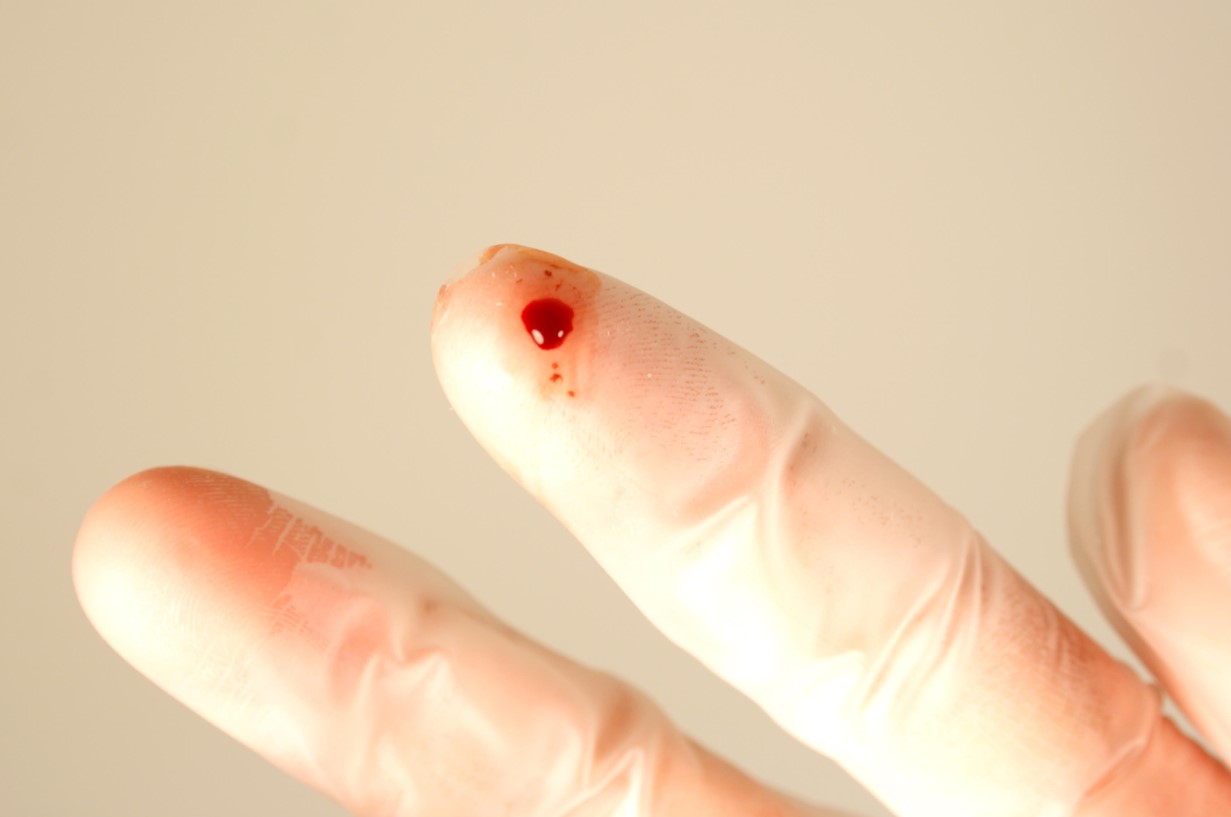
Despite existing regulatory guidelines, unsafe injection practices remain a significant concern. Unsafe injections have severe health risks, including hepatitis C (HCV), hepatitis B (HBV), human immunodeficiency virus (HIV), bacterial and fungal infections, skin abscesses, nerve damage, and paralysis of the area around the injection site.
“Unsafe injection practices continue to pose significant risks to patients in ambulatory settings. This toolkit provides ambulatory care organizations with foundational principles of aseptic technique to benefit the health and safety of patients and health care providers,” said Julie Lynch, director of the Institute for Quality Improvement at AAAHC. “Our commitment is to provide a series of comprehensive resources that empower organizations in their efforts to ensure injection safety and quality care every day.”
The Safe Injection Practices Toolkit and additional resources can be accessed online at www.aaahc.org/SIP.