By Kirsten Serrano
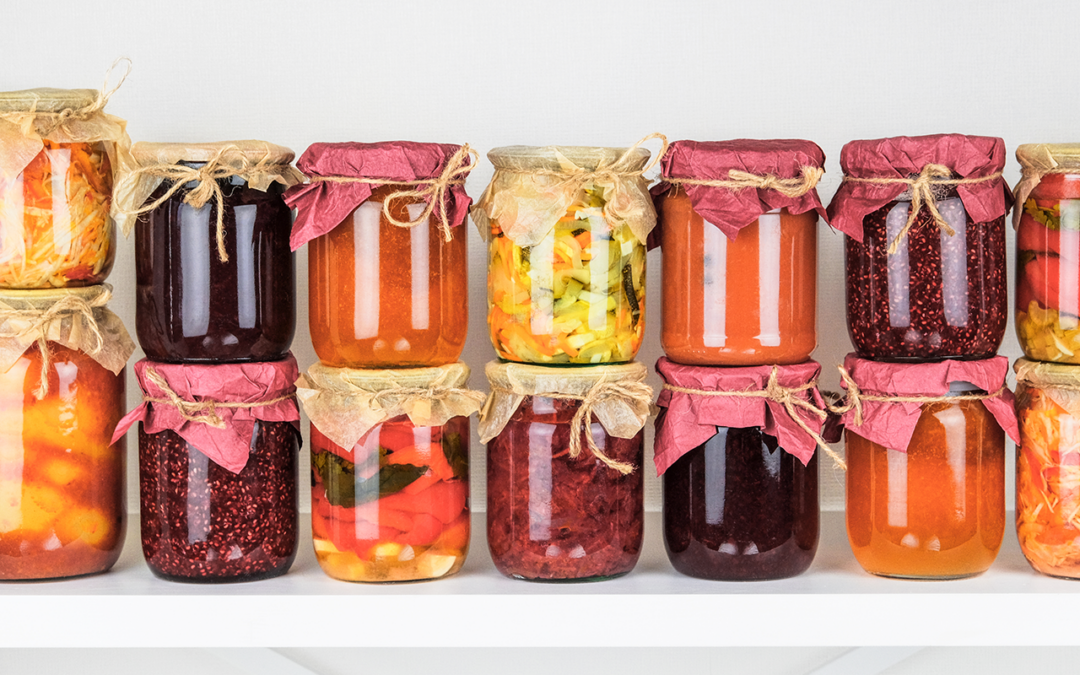
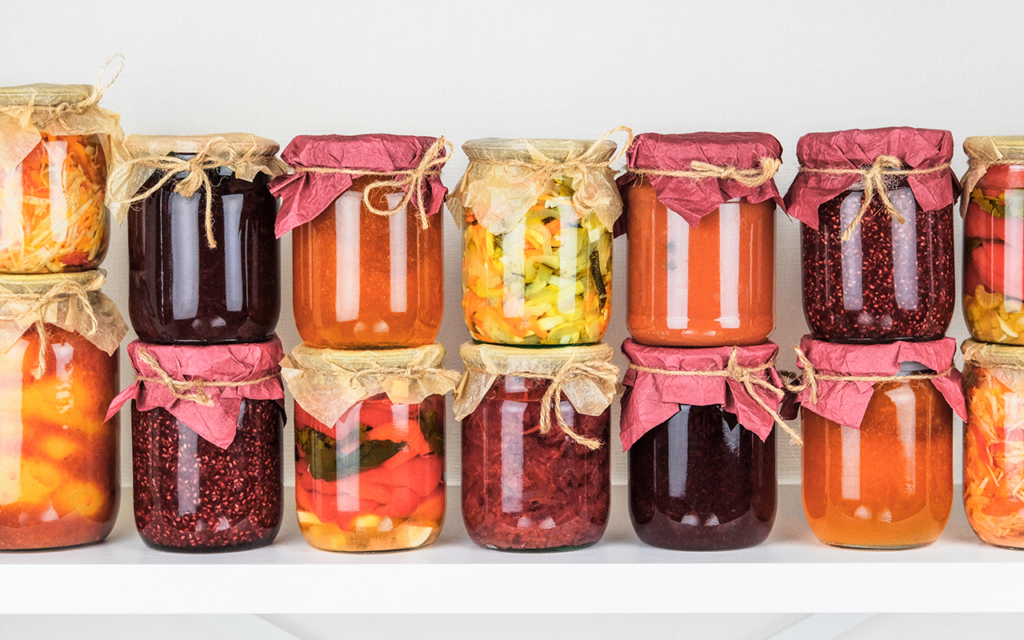
Recently, I taught a class about fermentation and told the group that fermentation is so easy that it seems like magic. Of course, there’s science behind the magic. The “magic” is actually industrious microbes getting to work. Naturally occurring microbes on the food and in the air convert carbohydrates into acid or alcohol – turning your cucumber into a pickle or your tea into kombucha, for example.

You have been benefiting from fermentation your whole life. In fact, humans have been using microbes to ferment foods since at least 7000 BC. You are probably eating fermented foods daily because fermented foods include beer, vanilla, coffee, cheese, chocolate, wine, yogurt, bread and much more. Fermentation preserves food, makes it more digestible, increases nutrient levels and creates amazing flavors. However, not all foods that are fermented in their preparation contain live microbiotic cultures when we digest them.
What we didn’t know until just the past 20 years or so is how dependent we are on those live microbes for our health. Active, living fermented foods are full of microbes we call “probiotics.” These probiotic-rich foods help to populate our gut microbiome (the microbial life in your intestinal tract.) Our gut microbiome is responsible for digestion, most of our immune system and even make many of the neurotransmitters that run our brain! We can all benefit from eating more foods rich in active probiotics.
I have an easy and delicious way to enjoy a winter ferment and it deserves a spot alongside your winter meals. My family adds it to our Thanksgiving and Christmas meals. Regardless of whether you are a cranberry fan or not, I urge you to try fermenting them in honey. All you need are fresh or frozen cranberries, honey and (optional) aromatics of your choice. You can choose to add ginger, orange (as sections with some peel or orange juice,) cinnamon sticks, star anise pods, cardamom pods, whole cloves, vanilla bean, etc.
With a ferment, thinking ahead is key. You want to give your ferment a minimum of 3-4 weeks fermentation time before serving. You can ferment it longer if you choose. You can store it for even longer – up to a year. One of the magical gifts of fermentation is its power of preservation.
Fermenting cranberries is a simple four-step process. First, prep your berries. You need to pierce their skins. Instead of painstakingly piercing each one, I use a fork to stab them en masse. Next, add your berries and aromatics to a glass or ceramic upright vessel. I use Mason jars and my favorite add-ins are slices of ginger, cinnamon sticks and a squeeze of orange juice. Cover with honey. You may need to do that in stages – allowing honey to settle between berries before adding more. Leave some headspace at the top of the jar – an inch or so. Last, you need to cover them but do not add an airtight lid. The fermentation process produces gas and that needs to escape. The easiest options are to loosely put a lid on or cover with cloth and a rubber band. You can also buy inexpensive lids designed for fermentation that fit Mason jars. I highly recommend them.
Now, you can stand back and watch the magic. Leave your ferment out where you can keep track of it but not in bright light (avoid windows.) In a few days, you will start to see bubbles and that is how you know the magic is happening. You may even have some of the liquid honey run over the sides of the jar. That’s no big deal and even a sign of a healthy ferment. Just clean up what spills. The honey will become red from the berries and become runny. Once your ferment is done, you can enjoy them just as they are. I like to keep the ginger, remove the cinnamon sticks, and add them to a food processor with some fresh orange (add some peel too!) and walnuts to make a chunky relish. Add as much of the liquefied honey as you like. Don’t throw out that runny honey. It’s teaming with healthy probiotics!
Once you have tried the honey fermentation process, expand your repertoire. Everything from peppers to other berries and even garlic can be fermented. Fermenting in honey will open the door to exploring more ferments.