By Grace O
When we think of the Southwest, what do we picture? Beautiful red rock landscapes. A saguaro cactus silhouetted against a perfect sunset. A bright blue sky with fluffy clouds. A pitcher of Margaritas?
Super healthy, age-defying foods probably don’t come to mind. Most of us think of Tex-Mex cuisine – lots of cheesy, spicey, tomato-y dishes wrapped in tortillas. Delicious, yes, but good for you? Not so much. But if you dig a little deeper and explore what indigenous people grew and ate in the Southwest, you’ll find there are plenty of foods that are tasty, healthful and typical of the region.

Here’s my list of some top Southwestern superfoods that provide plenty of nutrients that help us age better.
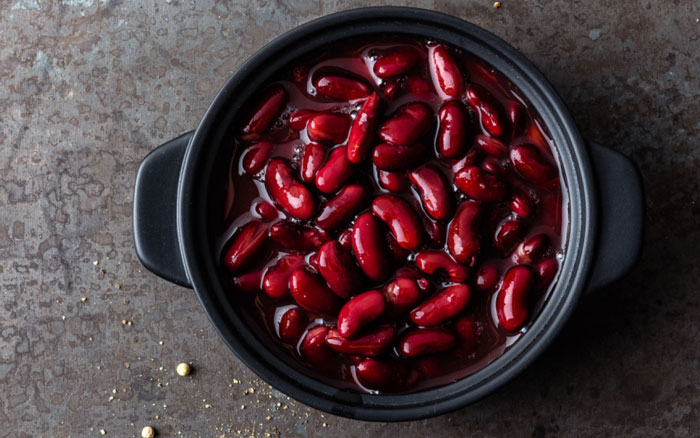
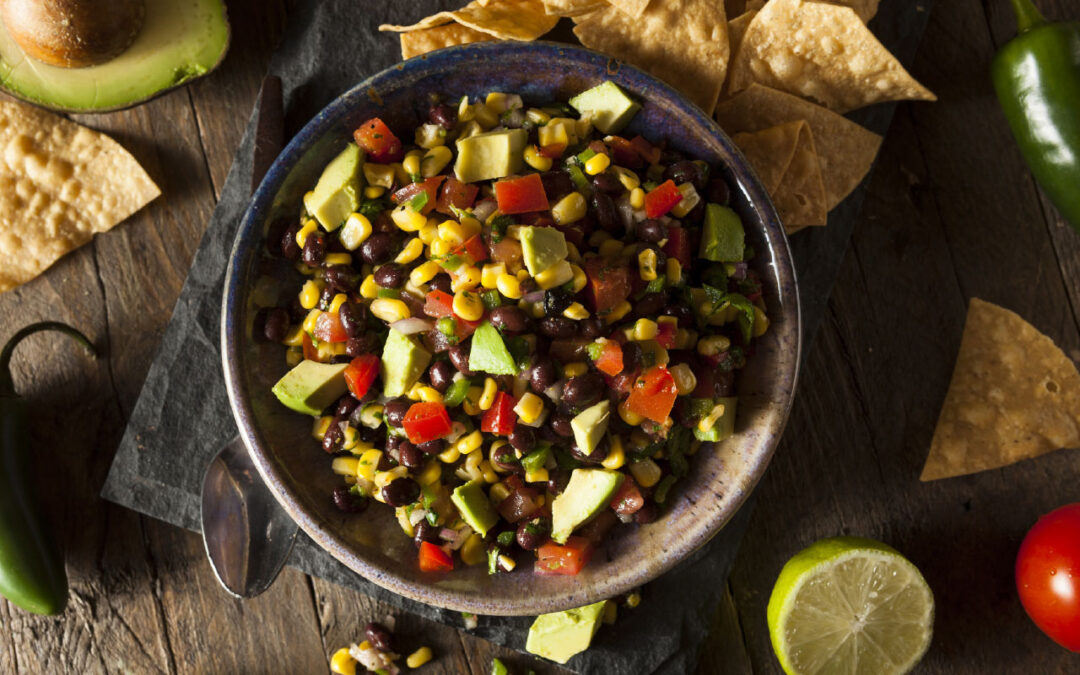
Beans – There’s almost never a Southwestern meal without them. Generally thought of as a low-cost, low-status food, beans are rich in so many FoodTrient properties! They’re low in fat but high in protein and fiber, which can keep blood sugar stable. Deeply colored black and red kidney beans are high in antioxidants. Beans provide generous amounts of vitamins and minerals including thiamin, riboflavin, niacin, vitamins B6, A, C and K, calcium, iron, magnesium, phosphorus, potassium, folate, manganese and copper.
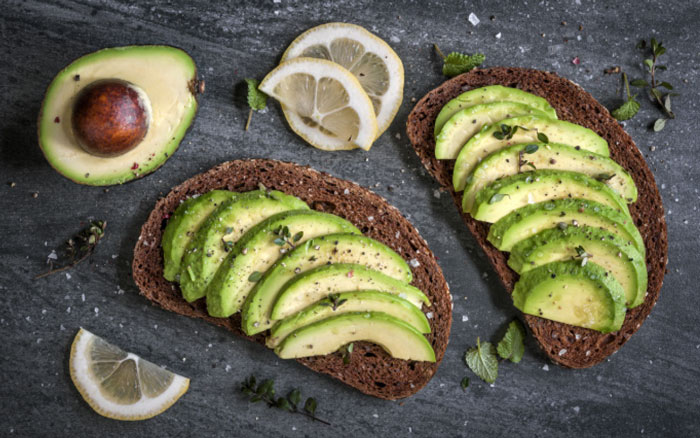
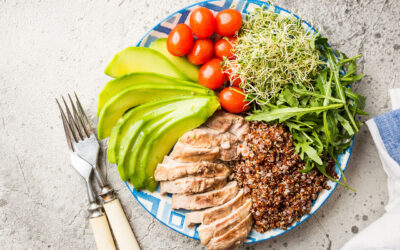
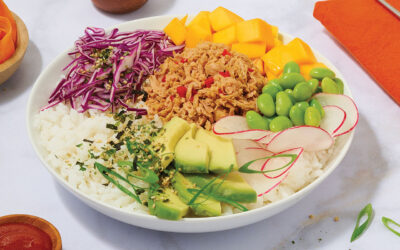
Avocados – True, avocados contain 77 percent fat, but it’s healthy unsaturated fat that the body uses for slow-burning energy and maintaining moisture and elasticity of the skin. Avocados are also loaded with vitamin E and antioxidant carotenoids that help protect skin from the aging effects of the sun. They provide 18 essential amino acids necessary for the body to form a complete protein while the oleic acid they contain helps reduce inflammation. A 3.5-ounce serving of avocado contains 7 grams of fiber, which is 27 percent of the recommended daily amount. Then there’s their delicious, buttery taste!
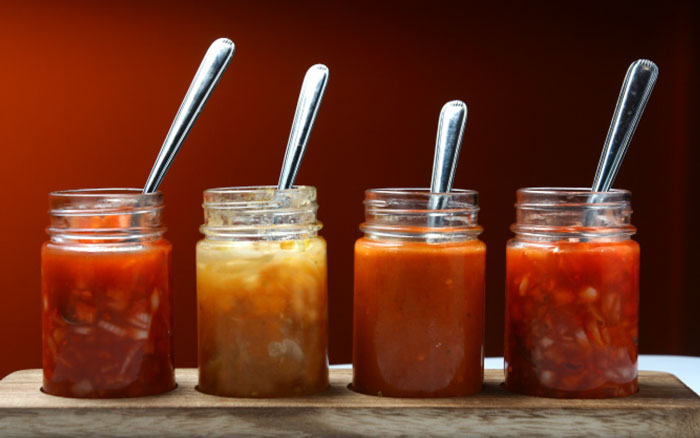
Tomatoes – Technically a fruit, but used as a vegetable, tomatoes are in the nightshade family with eggplants, chilies and potatoes. Tomatoes cooked in oil are especially rich in a carotenoid called lycopene, which is associated with reducing prostate cancer. The deep red color of tomatoes is due to the presence of lutein, which is important for maintaining eye health. The anti-cancer properties of tomatoes are enhanced when consumed with fat-rich foods such as avocados, so enjoy!
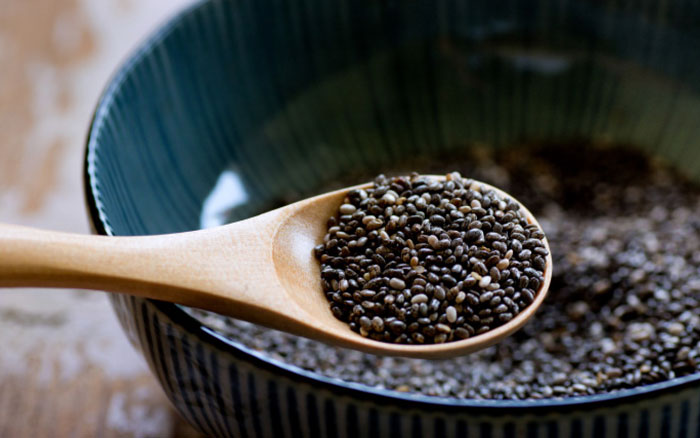
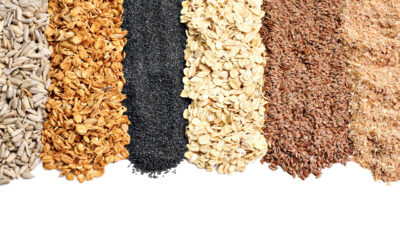
Chia seeds – Like many Southwestern foods, chia seeds came north with Spanish explorers and descendants of indigenous Mexican people. The tiny black seeds of the chia plant contain an easily digestible protein and a good dose of heart-healthy Omega 3 fatty acids – eight times as much as wild salmon. They also reduce cholesterol, help maintain beneficial blood sugar levels, and are great for detoxing your whole system. Two tablespoons of chia seeds provide as much calcium as half a cup of milk without the fat or lactose. Finally, chia seeds help to metabolize fat and reduce levels of stress hormones that promote fat storage.
Chilies – These are the heart and soul of Southwestern cuisine. From sweet and mild to fiery hot, the heat factor in chilies comes from a substance called capsaicin. Chilies are a good source of vitamin C as well as A, K, B6 and folate. They also provide good amounts of potassium, fiber and beta-carotene. Research has linked eating hot peppers with reduced blood pressure and cholesterol.
Nopales – These are the paddles of the cactus plant. You can find them fresh in Latin markets or online. One cup is a generous source of vitamins A and C, and provides significant amounts of manganese, magnesium, calcium and potassium. It’s also an excellent source of dietary fiber while extremely low in calories and carbohydrates.
To serve, nopales are usually cut into strips and simmered for about 20 minutes to make them tender. They can also be roasted or grilled, then cut into strips once cooled. The strips are delicious in scrambled eggs, soups, stews, salsas or in salads. I like to add them to ceviche right before I serve it to my guests.
Cilantro – This is the green, leafy version of coriander with a bright, fresh taste. Cilantro is high in vitamins and fiber and it’s a good source of vitamins A, C, E, K, calcium, iron, potassium and magnesium. Just ¼ cup of fresh cilantro provides 270 IU of Vitamin A, and 16 percent of the daily value recommended of vitamin K, which is important for heart health, bone density and brain function. This herb contains antioxidants that help prevent cellular damage caused by free radicals that are linked to degenerative diseases like cancer, heart disease, arthritis and Alzheimer’s disease. As if that weren’t enough, chewing on a few leaves of cilantro will freshen breath and can be a digestive aid.
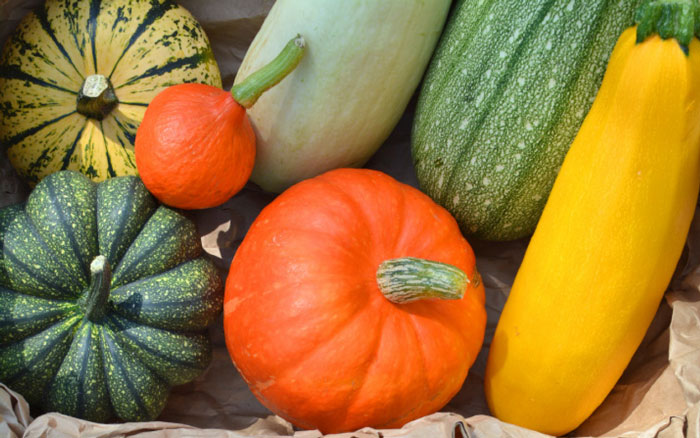
Squash and pumpkin – Pumpkin is, of course, a squash and you find them in Southwestern recipes. The orange color of pumpkins, acorn and butternut squash means they’re loaded with the antioxidant beta-carotene, which is one of the plant carotenoids your body converts to Vitamin A, which is essential for healthy skin, sharp eyesight and boosting the immune system. All of these squashes are low-calorie, yet filling. They’re good sources of fiber, healthy fats, rich in beta-carotene and high in anti-inflammatory beta-cryptoxanthin.
– Grace O is the creator of FoodTrients, a unique program for optimizing wellness and longevity. Sheis the author of three award-winning cookbooks. Her latest cookbook is “Anti-Aging Dishes from Around the World.” Learn more at FoodTrients.com.