
Grocery stores are marketing battlefields where you are getting attacked from all sides. Much of the marketing onslaught comes from processors in the form of packaging claims, but some of it is as subtle as where items are placed. Brands can even pay a premium for shelf end caps and other eye-catching real estate.
Since grocers and food manufacturers are maximizing profit, you need to be a savvy shopper in order to maximize your health. I am going to give you some guidelines on how to do that, but first a few facts about processed foods.

Processed food has gone too far: Once food has been grown or raised, it is then processed. That processing may take place in your kitchen, in a factory or in a restaurant. Processing can mean everything from chopping up a pepper to producing a frozen microwaveable meal with 75 separate ingredients. There are high-quality processed foods, but more that are full of food-like substances. Food is engineered to be highly addictive.
Food processors and sellers like to capitalize on health and wellness buzzwords/trends without necessarily delivering on them. The latest trends are about gut health, immune boosting and plant-based diets. Those three concepts have real science behind them, but the way they are wielded in the marketplace is about sales, not science. Big food puts big dollars into nutrition research. In fact, it’s often the only way food science studies get funded at all. The renowned food researcher Marion Nestle found that in 168 studies funded by big food makers, that over 90% produced results in favor of the funder.1 Imagine this: a soda manufacturer funds a study that “proves” lack of exercise is a bigger factor than cutting out sugar to end childhood obesity. This kind of study serves the food manufacturer, not the customer. It also serves to keep us confused about food.
Sugar, sodium and fat are the three magic substances that come together in highly processed foods to form a “bliss point.” Bliss point is food processing jargon for the addictive “sweet” spot that keeps you coming back for more. It’s best friends with flavors − both artificial and natural. Together they make everyone’s favorite addictive substances.
So, what can you do to shop wisely?
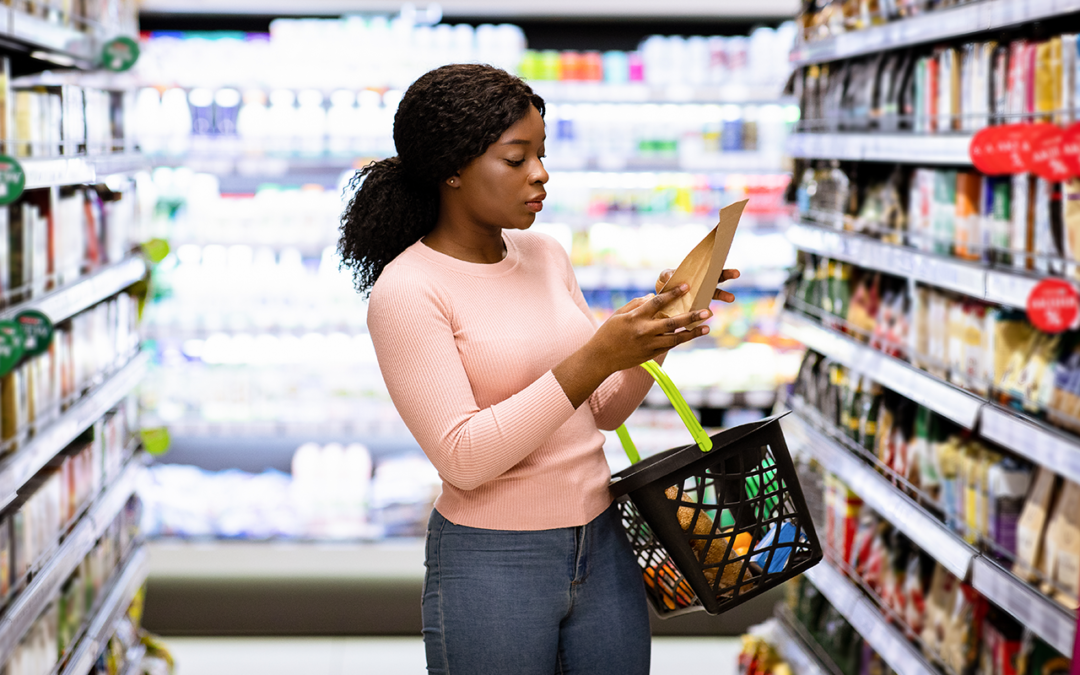
The most profound change you can make is to ignore package claims and read the ingredient label. Ignore things like “heart healthy,” “sugar free” and “gut health.” There are a million ways to manipulate and influence science, market manipulatively within the dictates of federal regulation and cut corners. Read the ingredients list and think critically. It may feel overwhelming at first, but you can tackle one product at a time. Look for these classic signs of uber-processed junk food:
A long ingredient list with a bunch of unrecognizable ingredients.
Food Dyes − artificial colors have no place in our food. Artificial colors are often made with petrochemicals and have been associated with cancers and attention disorders.
Artificial Sweeteners − worse for you than sugar, increase appetite, increase craving for sweets.
Added Sugars − key to making addictive foods. From evaporated cane juice and maltodextrin to corn sugar, malt, and lactose, there are many varieties of sugar and it comes with many names. Highly processed foods tend to layer many of them on top of each other. 60% of foods in the supermarket have added sugar.2
Sodium − elevated amounts of sodium are common in highly processed foods. It’s one of the bliss point ingredients. 70% of the sodium in the U.S. diet comes from processed foods.3
Poor quality fats − Omega 6 seeds oils (mostly GMO) and other highly refined, poor quality fats like palm oil, soy, canola and corn oil are extremely common in processed foods.
Artificial (and Natural) Flavors. Artificial flavors are just that − synthetic and laboratory made. Natural flavors are natural in that they are derived from something of plant or animal origin. Don’t be fooled though, they are still lab created and may contain hundreds of compounds. Flavor is about making artificial food more exciting than whole foods and about covering up poor food quality. Flavor enhancement is a key way that food manufacturers build addiction.
Reading food labels was the most important change I ever made in my own food journey. I urge you to take it on and follow that path to a better way of eating.
REFERENCES
1 Belluz, Julia. “Food Companies Distort Nutrition Science. Here’s How to Stop Them.” Vox. Vox, March 3, 2016. https://www.vox.com/2016/3/3/11148422/food-science-nutrition-research-bias-conflict-interest.
2 Sanger-Katz, Margot. “You’d Be Surprised at How Many Foods Contain Added Sugar.” The New York Times, May 21, 2016. https://www.nytimes.com/2016/05/22/upshot/it-isnt-easy-to-figure-out-which-foods-contain-sugar.html.
3 CDC. “GET THE FACTS: Sodium’s Role in Processed Food What Do Sodium and Processed Food Have to Do with Heart Health?,” 2012. https://www.cdc.gov/salt/pdfs/sodium_role_processed.pdf.