By Miguel J. Ortiz
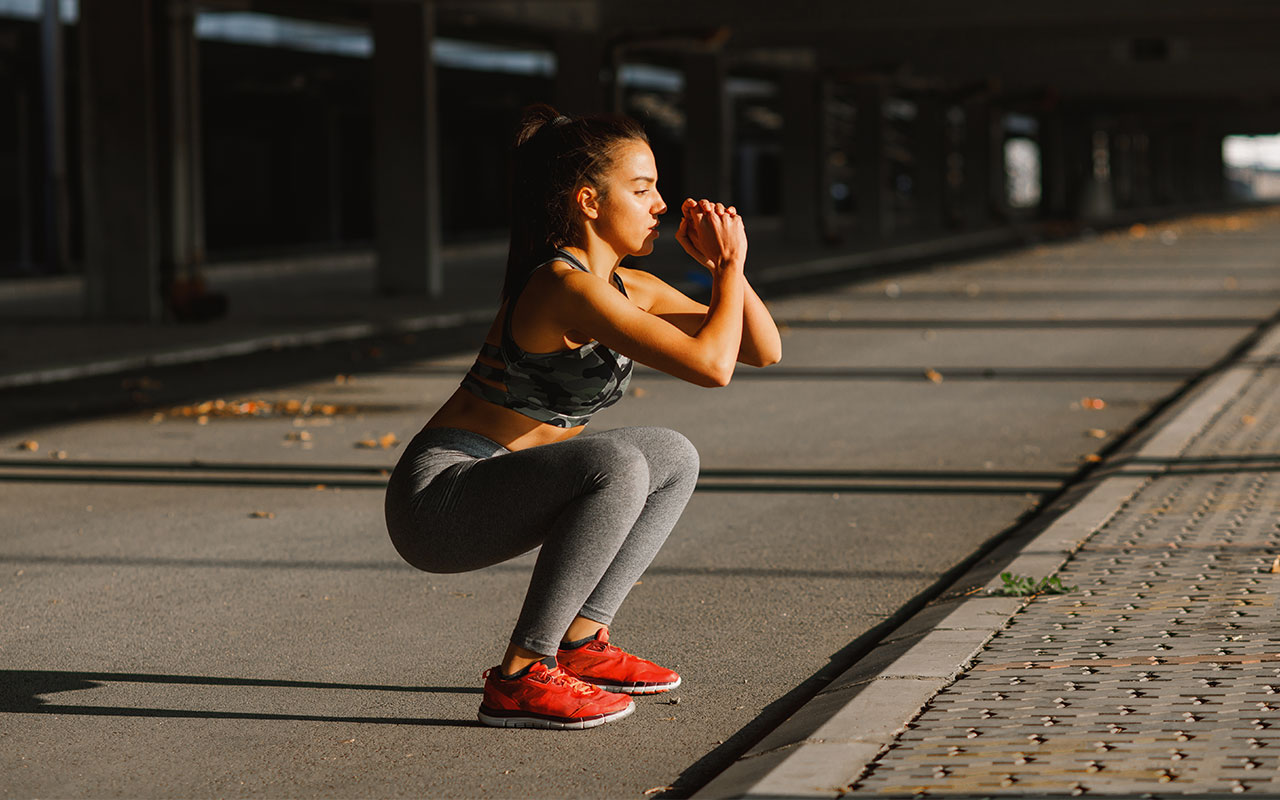
One of the most common things I hear at the gym is, “I don’t squat because it hurts my knees.” What many people don’t realize is that they squat almost every day – when they sit down, climb stairs or pick something up off the floor. You can’t escape it. Squatting is a fundamental movement.

I wish more people would focus on improving how they squat instead of avoiding it. That’s where I come in as a trainer.
One of the most rewarding parts of my job is helping people improve their movement patterns by correcting their form and teaching them how to move more efficiently. Better movement can improve everyday life. Before we look at a few squat variations, here are three key points everyone should consider.
First, how is your ankle mobility? Limited ankle flexibility or stability can affect both squat depth and balance. Improving ankle mobility can make squatting more comfortable and efficient.
Second, do you know how to properly brace your core? When lifting weights, you should never pull your navel inward. Instead, brace your core as if you’re preparing to absorb a punch. A properly braced core helps protect your spine and improves stability throughout the movement.
Third, remember that it’s not about how much you lift – it’s about how well you lift it. Good technique should always come before heavier weight.
Now let’s look at a few squat variations.
The first is the dumbbell goblet squat, a classic exercise that helps keep your body centered because the weight is held at chest level. This position forces your core to stay engaged and is an excellent way to determine whether you’re bracing properly. You can also perform this exercise with a kettlebell, and there are several ways to make it easier or more challenging.
If squatting deeply makes you nervous, place a chair behind you and practice lightly touching it with your hips before standing back up. This helps control your range of motion while building confidence. If you need additional practice bracing your core, sit down completely, brace and then stand up.
The second exercise is the kettlebell sumo squat. This variation requires good hip mobility to comfortably position your feet wider than shoulder-width apart. You don’t need an extremely wide stance, but it’s important to keep your knees tracking over your feet throughout the movement. If you notice your knees collapsing inward or you can’t maintain proper knee alignment, stick with the goblet squat until you’ve built more strength and stability.
Because of the wider stance, the sumo squat places greater emphasis on the glutes and inner thighs, creating the leg-burning challenge many people are looking for.
Our final exercise is the most advanced: the dumbbell rear-leg elevated split squat, often called the RLESS. Before attempting this movement, make sure you can comfortably perform the first two squat variations.
The RLESS requires good balance, hip stability and leg strength. Think of it as a single-leg squat with support from the back leg. About 80% of your weight should stay on your front foot, allowing that leg to do most of the work. Don’t be surprised if your legs fatigue quickly, especially if you perform this exercise near the end of your workout.
Have fun with these movements, stay active and never stop improving.