Patient positioning devices have evolved from basic surgical accessories into essential tools that support patient safety, improve surgical access and help reduce procedure-related complications.
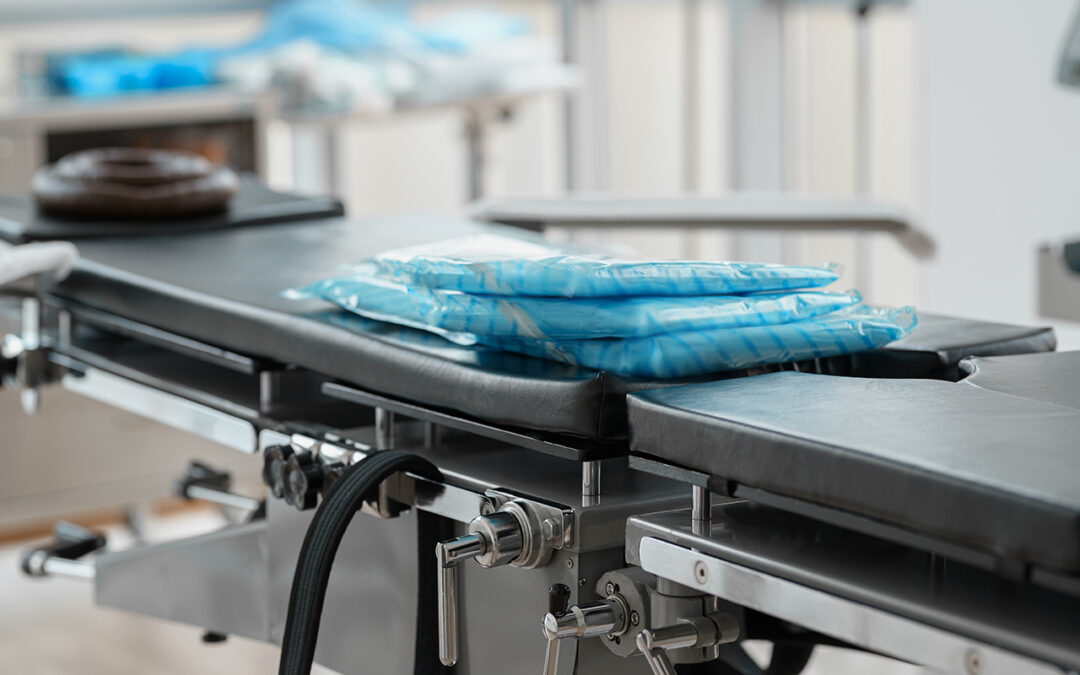
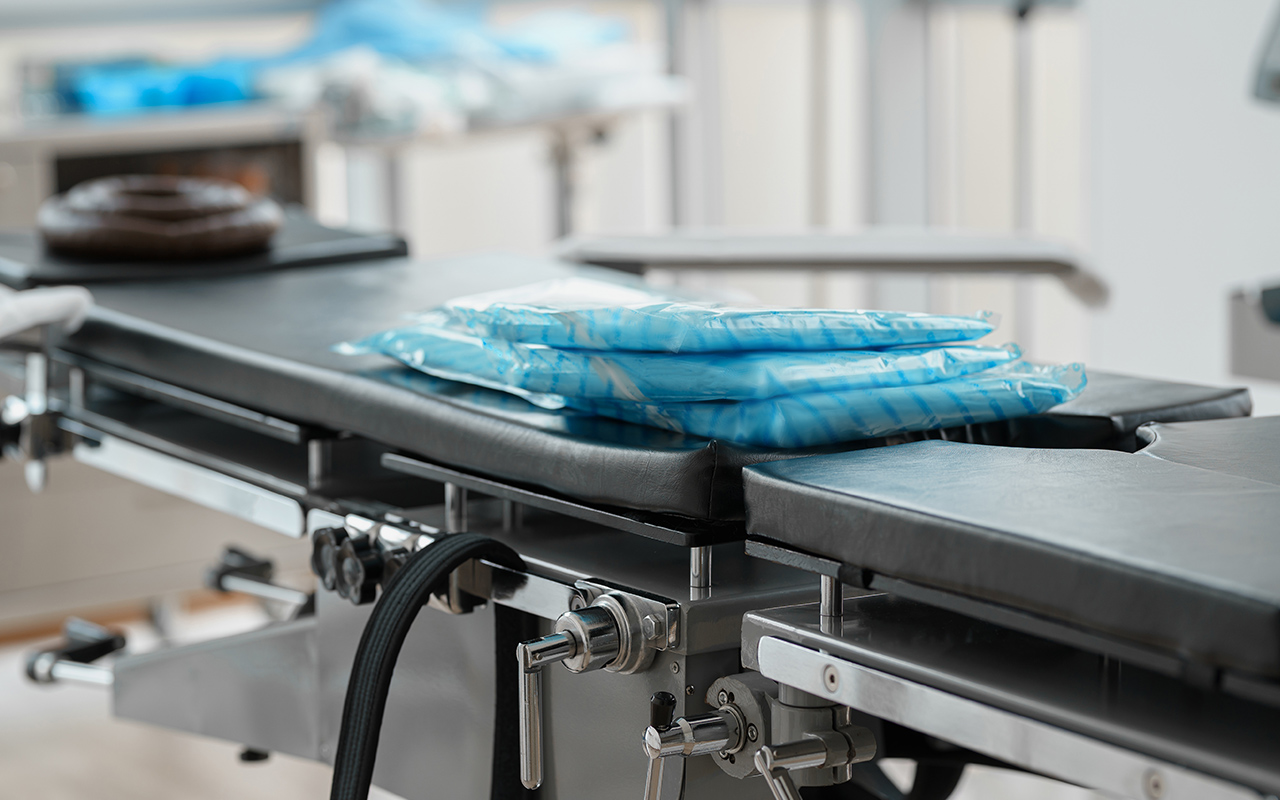
Patient positioning devices include surgical tables, radiolucent imaging tables, headrests, arm supports, gel pads, vacuum positioning systems, stirrups, spine frames and numerous specialty accessories designed to stabilize patients during procedures. These products help provide surgeons with optimal access while protecting patients from nerve injuries, pressure ulcers and musculoskeletal complications that can result from prolonged positioning.

As hospitals continue to expand minimally invasive surgery programs while managing increasingly complex patient populations, demand for advanced positioning systems is expected to remain strong across global healthcare markets.
According to Fortune Business Insights, the global patient positioning device market was valued at approximately $2.06 billion in 2025 and is projected to reach $3.38 billion by 2034, representing a compound annual growth rate (CAGR) of 5.7%. North America currently represents the largest regional market, although Asia-Pacific is expected to experience some of the fastest long-term growth as surgical capacity expands throughout developing health care systems.
The increasing number of surgical procedures remains one of the market’s primary growth drivers. Grand View Research reports that approximately 310 million major surgical procedures are performed worldwide each year, creating sustained demand for positioning and support products that help reduce pressure injuries while improving procedural efficiency. The research firm also noted growing volumes of orthopedic, neurosurgical and minimally invasive procedures continue to expand opportunities for manufacturers.
Grand View Research reported that population aging is contributing significantly to demand because older patients often require more orthopedic, cardiovascular and neurological procedures. The research cited World Health Organization projections showing that one in six people worldwide will be age 60 or older by 2030, creating additional demand for surgical care and specialized patient support technologies.
Manufacturers are responding by introducing positioning products that emphasize patient protection and caregiver ergonomics. Modern systems increasingly feature pressure-distributing gel materials, lightweight carbon-fiber construction compatible with intraoperative imaging, modular attachments and powered adjustments that reduce manual lifting by operating room staff.
According to Mordor Intelligence, manufacturers are incorporating sensor technology, automated positioning capabilities and contactless positioning concepts that improve precision while reducing staff workload. The firm also reported that hospitals continue investing in positioning systems that improve workflow efficiency and support advanced imaging during surgery.
The rapid expansion of robotic-assisted surgery is creating additional opportunities throughout the positioning device market.
Robot-assisted procedures often require patients to remain in steep Trendelenburg, lateral or other complex positions for extended periods. As a result, hospitals increasingly require positioning systems capable of maintaining stability while minimizing pressure-related injuries throughout lengthy procedures. Specialized positioning products designed specifically for robotic surgery have become an important area of product development.
Another important trend involves growing attention to perioperative patient safety initiatives.
Proper positioning has become an important component of surgical quality programs aimed at preventing hospital-acquired pressure injuries, peripheral nerve damage and postoperative musculoskeletal complications. Clinical guidelines continue emphasizing multidisciplinary positioning protocols involving surgeons, anesthesia professionals and perioperative nurses, increasing demand for positioning products supported by clinical evidence.
Healthcare providers are also evaluating positioning devices through a financial lens.
Although premium positioning systems typically require higher upfront investments, hospitals increasingly recognize their potential to reduce costly complications, improve operating room efficiency and support higher surgical throughput. Facilities performing large numbers of orthopedic, spine, bariatric and robotic procedures often view advanced positioning equipment as both a patient safety investment and an operational improvement.
Looking ahead, manufacturers are expected to focus on products that improve clinical outcomes while supporting increasingly sophisticated surgical techniques. Innovations emphasizing pressure management, imaging compatibility, robotic integration, infection prevention and caregiver ergonomics will likely define the next generation of positioning technology.
As health systems worldwide continue balancing patient safety with operational efficiency, patient positioning devices have become far more than operating room accessories. They are increasingly viewed as essential components of modern perioperative care that help protect patients, improve surgical performance and support better clinical outcomes.