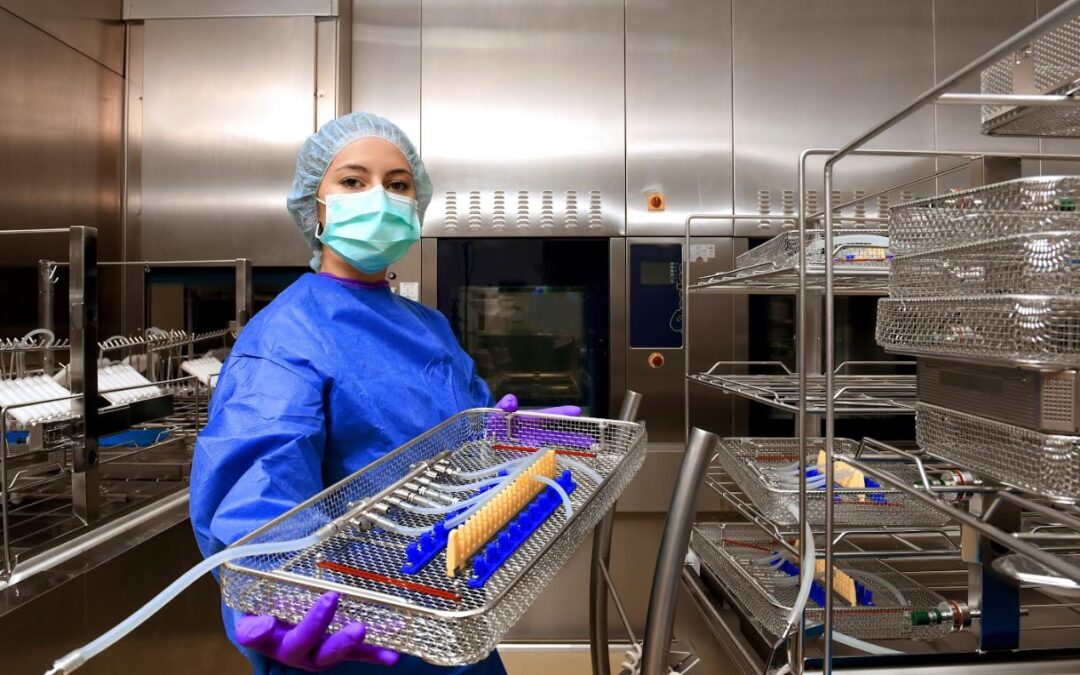
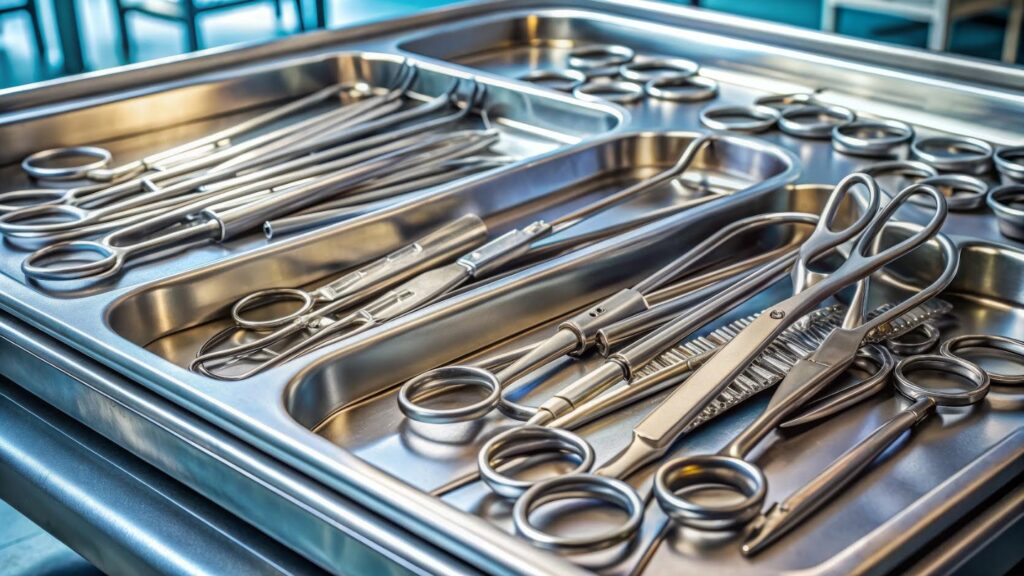
Every instrument’s journey to sterility begins with proper cleaning—soils must be fully removed before disinfection or sterilization can succeed
By Ross Gustafson
In healthcare, few things are more important than infection prevention. Behind every successful surgery or dental procedure lies a meticulous system of sterile processing – where reusable instruments are pre-treated, cleaned, disinfected and sterilized to ensure patient safety. But long before an instrument enters a sterilizer, it must first be thoroughly cleaned. And that initial step depends heavily on one essential factor: the cleaning solution.
While sterilization and disinfection often take the spotlight, they cannot be fully effective unless instruments are free of biological contaminants. Choosing the right cleaning solution is not just a logistical decision – it is a frontline defense against infection, a protector of instrument integrity and a key component of regulatory compliance.

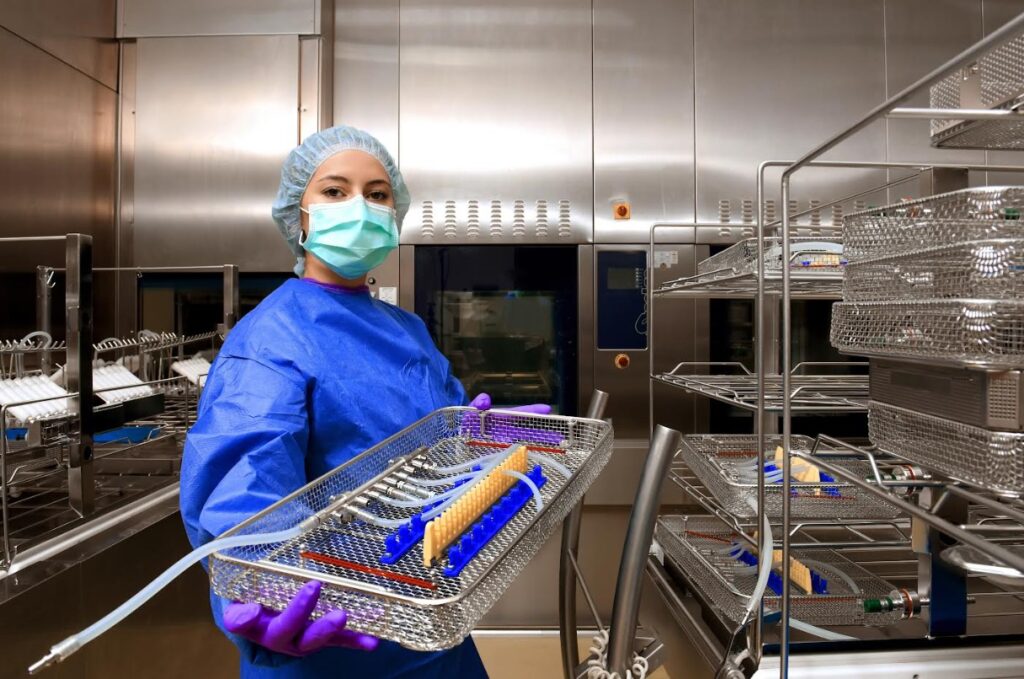
Thorough cleaning protects patients, preserves instruments, and supports staff safety every step of the way
Cleaning: The Foundation of Sterile Processing
Every day in hospitals, surgical centers, and clinics, reusable instruments are exposed to blood, tissue, mucous and other biological debris. These contaminants are not only visibly unappealing – they harbor dangerous microorganisms. If not promptly and thoroughly removed, this debris can dry, harden and become extremely difficult to clean. Worse, it can shield bacteria and viruses from sterilants, rendering sterilization efforts ineffective.
Cleaning solutions are designed to break down and lift away these organic soils, enabling complete decontamination. An effective cleaning fluid ensures that no residue remains in tiny crevices, hinges or lumens where harmful microbes can hide. In short, proper cleaning is the foundation of sterile processing, and it all begins with choosing the right solution.
Why Cleaning Solution Selection Matters
The cleaning solution chosen for instrument reprocessing plays a direct role in:
- Infection prevention: Fluids that effectively dissolve organic debris help eliminate sources of potential infection.
- Instrument longevity: Harsh or incompatible chemicals can corrode or degrade delicate materials used to manufacture instruments.
- Operational efficiency: Effective cleaning reduces the need for rework, prevents damage and minimizes delays in instrument turnaround.
- Regulatory compliance: Organizations such as the CDC, AAMI, AORN and ADA all emphasize the importance of effective cleaning as a prerequisite to sterilization.
Not all cleaning solutions meet these criteria. Some are too weak to fully remove soil; others may be too harsh, causing long-term damage to instruments. Sterile processing departments must evaluate cleaning solutions carefully to find a balance of strength, safety and compatibility.
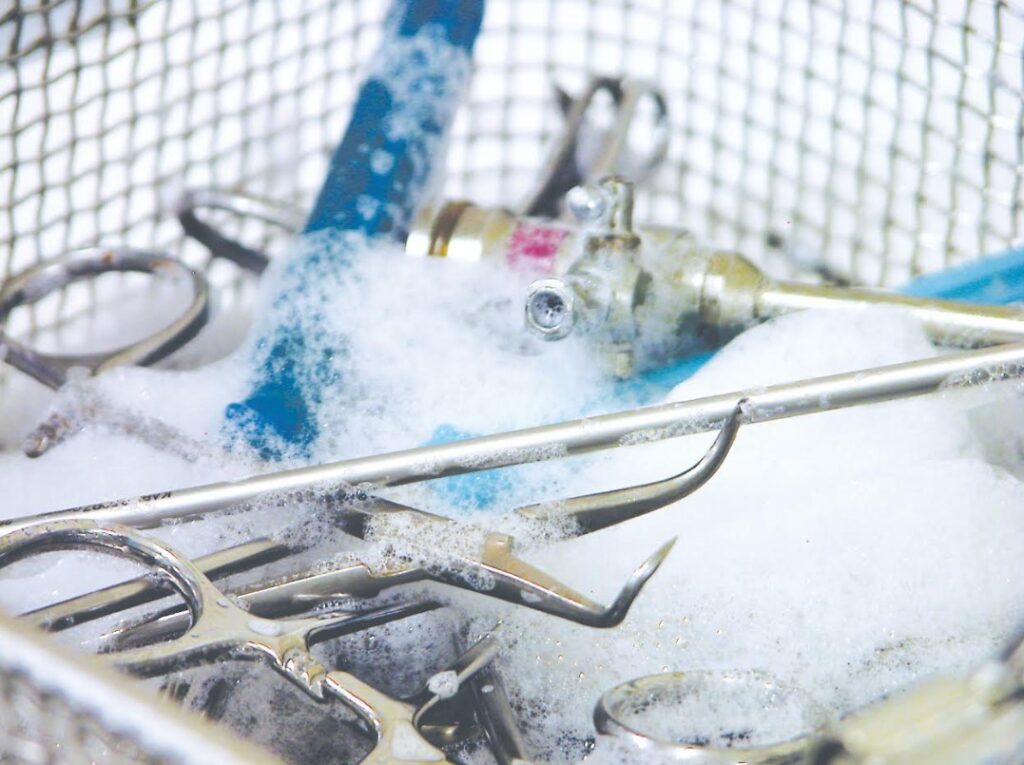
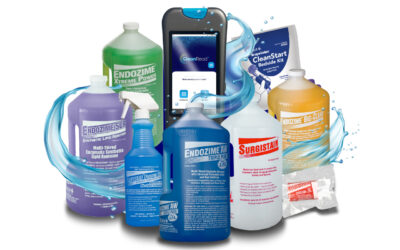
Enzymatic spray pre-cleaner applied to surgical instruments immediately after use prevents soils from drying—an essential first step in the pre-cleaning process
Power of Enzymatic Cleaning
Modern enzymatic cleaning solutions are among the most effective options available. Formulated with multiple enzymes – typically proteases, lipases and amylases – they target specific organic matter found on used medical devices:
- Proteases break down proteins, such as blood and tissue.
- Lipases dissolve fatty residues.
- Amylases remove carbohydrate-based contaminants like mucous.
Together, these enzymes work synergistically to clean even heavily soiled instruments. Because they are effective at low concentrations and moderate temperatures, enzymatic cleaners are suitable for a variety of workflows – from manual scrubbing to ultrasonic cleaning and automated washers.
Safer for Instruments, Staff & Environment
Top-tier cleaning fluids are formulated not only for performance but also for compatibility with a wide range of instrument materials. pH-neutral or mildly alkaline formulations reduce the risk of corrosion, pitting, and clouding, and are safe for use on:
- Stainless steel
- Titanium
- Plastics
- Rubber
- Silicone
Low-foaming and low-residue properties ensure that internal channels in lumened devices remain unobstructed and clean, reducing the risk of biofilm development or sterilant interference.
Many leading cleaning solutions also prioritize environmental and occupational safety. Biodegradable ingredients, minimal odor and easy-rinse capabilities help protect staff from exposure to harsh and undesirable chemicals and reduce the facility’s environmental footprint.
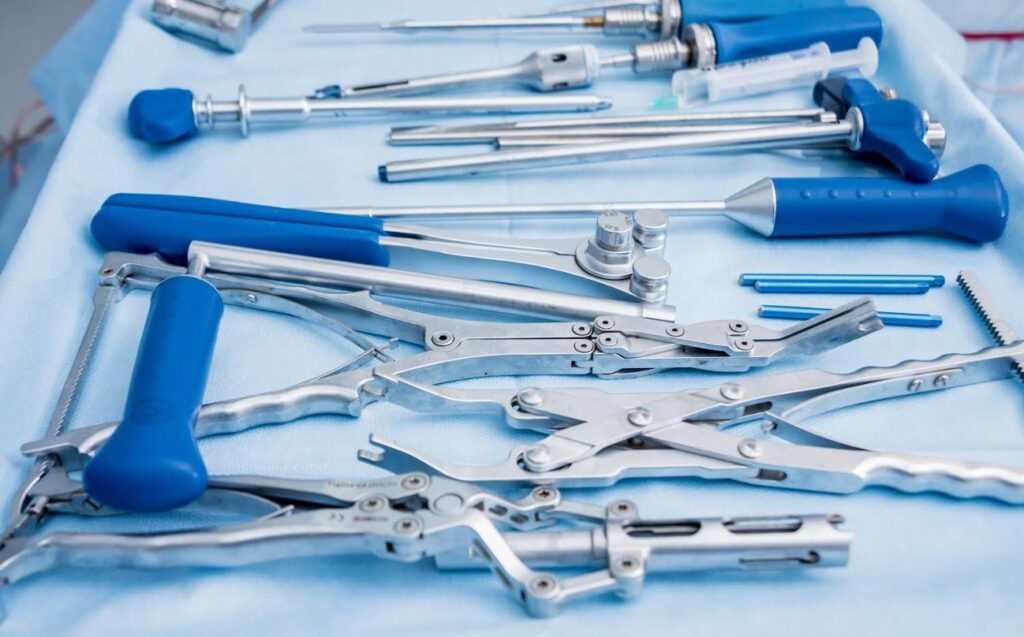
Specialized cleaning solutions penetrate crevices, hinges, and hidden interiors, eliminating residues that could harbor microbes
Compliance and Best Practices
Infection control standards consistently emphasize cleaning as the most critical first step in instrument reprocessing. Guidelines from key organizations highlight the importance of:
- Using enzymatic or detergent-based cleaning agents
- Selecting solutions compatible with specific instrument materials
- Avoiding solutions that leave behind residues or that are incompatible with subsequent disinfection or sterilization steps
By choosing a solution that aligns with these best practices, healthcare facilities can reduce the risk of healthcare-associated infections (HAIs), avoid costly citations during inspections and enhance overall patient safety.
Efficiency Through Smart Investment
Budget pressures and high patient volumes mean that healthcare facilities must optimize every step of sterile processing. Choosing a high-quality cleaning solution may seem like a small detail, but it can yield significant operational benefits:
- Reduced rework: Instruments are fully cleaned the first time, minimizing delays.
- Extended instrument life: Material-safe solutions reduce wear and tear.
- Improved turnaround time: Efficient cleaning means instruments return to service faster.
- Workflow flexibility: Solutions that work across multiple cleaning systems simplify staff training and inventory management.
Ultimately, investing in the right cleaning solution enhances the reliability of the entire sterile processing operation.
Practical Considerations
When evaluating cleaning solutions, sterile processing teams should consider:
- Cleaning efficacy: Does the solution consistently remove visible and microscopic soils?
- Material compatibility: Is it safe for all instruments in use?
- System compatibility: Can it be used in manual, ultrasonic and automated cleaning?
- Safety and handling: Is it safe for staff and the environment?
- Regulatory alignment: Does it meet CDC, AAMI or AORN guidelines?
Choosing a product that checks all these boxes sets the stage for consistent, high-quality reprocessing outcomes.
Conclusion: Clean First, Clean Right
Infection prevention begins with cleaning – not sterilization. The cleaning solution used in sterile processing has a direct impact on every aspect of patient care, from infection control and safety to instrument integrity and workflow efficiency.
By selecting an effective, material-safe, and compliant cleaning solution, healthcare facilities can significantly improve their sterile processing outcomes. With the right product in place, they can clean with confidence, protect their investment in instruments, support staff well-being, and – most importantly – keep patients safe.
Cleaning may be the first step, but it’s also the most important. Choose wisely, clean thoroughly, and set the foundation for better care.
– Ross Gustafson is a senior chemist with MicroCare Medical. He has over 30 years of experience in product formulation across diverse industries and leads product development and quality control efforts at MicroCare Medical. He holds an M.S. in chemistry from the University of Colorado-Boulder and is known for creating safer, high-performance cleaning solutions.