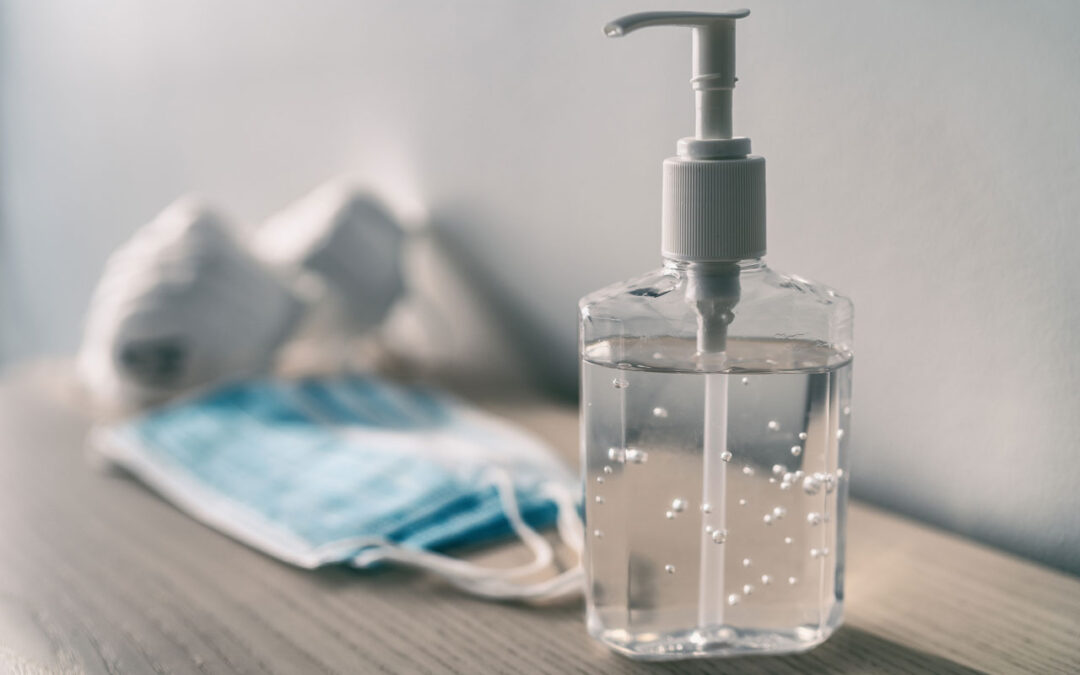
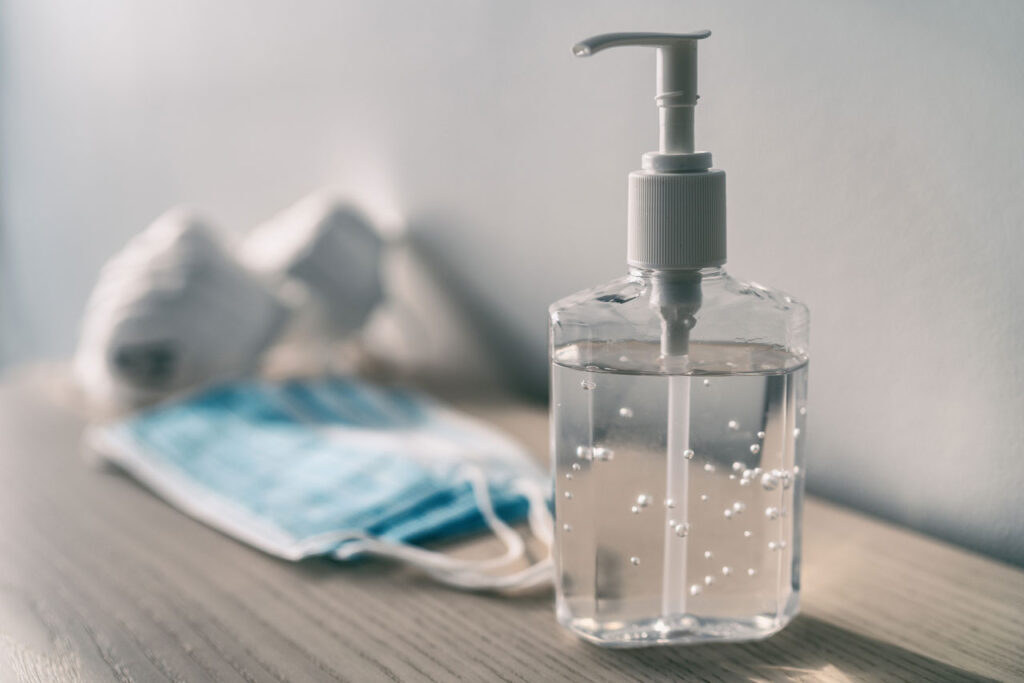
Athens, Ga. | University of Georgia researchers have developed a new type of hand sanitizer that eliminates more than 97% of bacteria and fungi, including antibiotic-resistant strains. The new gel provides an alternative to traditional, drying alcohol-based sanitizers.
The nitric oxide gel formula, called NORel, significantly outperformed an alcohol-based sanitizer by maintaining effective antimicrobial activity as long as two hours after application. The alcohol-based gels the researchers tested had long evaporated and taken their antimicrobial agents with them by that time. Typical hand sanitizers evaporate shortly after application and lose much of their microbe-killing power within 30 to 60 minutes.

NORel’s potential as a long-lasting, powerful hand hygiene solution is particularly promising for high-risk environments such as hospitals, clinics and long-term care facilities.
“Regular hand sanitizers with alcohol in them do a pretty good job at killing bacteria when you apply them initially,” said Elizabeth Brisbois, lead author of the study and an associate professor in the UGA College of Engineering. “We showed that the nitric oxide persists on the skin for a longer period of time, so it’s kind of an extended protective effect. That was the most exciting result.”
The gel’s antimicrobial activity is on par with commercial, alcohol-based sanitizers containing 62% ethyl alcohol.